
AI Tennis Predictions: Kalinina vs Osaka Tips
Match Overview
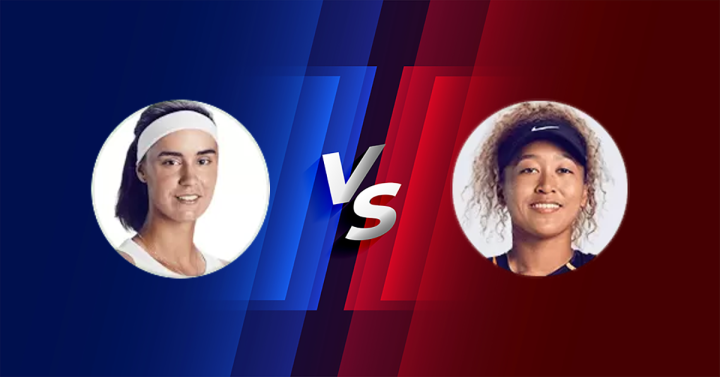
Anhelina Kalinina and Naomi Osaka are set to clash in an eagerly awaited match at the 2026 Mutua Madrid Open, with this WTA 1000 meeting scheduled for Saturday night at the Caja Mágica. The matchup is listed for 20:30 UTC and is billed as a classic contrast in styles: Kalinina’s grinding, point-by-point construction against Osaka’s first-strike power and serve-led patterns. It’s also the kind of Madrid contest bettors love—because altitude conditions can amplify serving and aggressive returns, but the clay still rewards patience, fitness, and shot tolerance.
From a betting perspective, the market leans toward Osaka, pricing her as the favorite at 1.8, while Kalinina sits at 2.3. That gap suggests bookmakers see Osaka’s peak level as the more decisive weapon set, yet Kalinina’s price signals a live underdog with a realistic path—especially on clay, where margins tighten and extended rallies can flip momentum quickly.
Odds, Market Signals, and AI Picks
Let’s put the key numbers in one place:
– Anhelina Kalinina to win: 2.3
– Naomi Osaka to win: 1.8
– TennisPredictions.ai best bet: Kalinina to win (1) at 2.3
– Confidence level: 2.1 / 10
– Total games lean: Under 28.5 at 1.26
The interesting angle here is the disagreement between the odds and the AI pick. The market says Osaka is more likely; the model says Kalinina is the value side. However, the confidence score (2.1/10) is low, which is a polite way of saying: “There’s an edge, but it’s thin, and variance is high.” In betting terms, this is more of a small-stake value play than a “max bet” situation.
Surface and Venue: Why Madrid Clay Plays Different
Madrid’s clay is not identical to Monte Carlo or Rome. The altitude makes the ball travel faster and bounce higher, which can:
1) Reward big servers and aggressive returners (shorter points, more free points).
2) Still benefit heavy topspin and physical defenders when rallies extend, because the bounce can push opponents back.
That’s why this matchup is so compelling. Osaka’s serve-plus-one patterns can be more effective here than at slower clay events, while Kalinina’s ability to absorb pace and redirect can also shine if she forces Osaka into extra shots per rally.
Kalinina Profile: The Underdog With Clay Tools
Kalinina’s best tennis tends to appear when she can turn matches into structured exchanges: deep returns, solid crosscourt tolerance, and selective acceleration down the line. On clay, that skill set becomes more valuable because:
– Breaks of serve occur more often than on hard courts.
– Players who defend well and return consistently can neutralize raw power.
– Shot selection and patience often decide the “big points.”
Statistically, underdogs like Kalinina can outperform their price on clay when they do two things well: extend rallies and win the return games that matter. If Kalinina can consistently get Osaka into neutral rallies (rather than letting points end on serve/return), her upset chances rise sharply.
Another betting-friendly angle: Kalinina’s pathway to winning doesn’t require perfection. She doesn’t need to hit through Osaka for two straight sets; she needs to keep the match uncomfortable—make Osaka hit one extra ball, defend the first strike, and turn it into a second and third strike situation.
Osaka Profile: Power, Serve, and the Clay Question
Osaka’s ceiling is obvious: elite ball-striking, a serve that can create quick holds, and the ability to take time away with flat, early contact. When she’s landing first serves and controlling the first two shots, she can make even strong defenders look rushed.
The key betting question is how reliably that A-pattern holds on clay against a disciplined returner. Clay generally reduces the number of “cheap” points, and when Osaka has to build points with more patience, her error rate can become the swing factor. Madrid helps her a bit because conditions are quicker than most clay stops, but it’s still clay—meaning Kalinina will get looks on return games.
So Osaka’s win condition is straightforward:
– High first-serve percentage.
– Short points on serve.
– Aggressive returns that prevent Kalinina from settling into long exchanges.
If Osaka hits her targets early, she can win in a clean two-set script. If not, the match can drift into the kind of grinding territory where Kalinina’s underdog price becomes very interesting.
Head-to-Head and Matchup Dynamics (What Typically Decides It)
Rather than relying on live updates, the most stable way to handicap this is through matchup logic that tends to repeat:
– Return pressure: Kalinina’s ability to put returns in play can force Osaka to hit extra groundstrokes under stress.
– Second-serve exposure: If Osaka’s second serve sits up, clay gives Kalinina time to step in and start rallies on her terms.
– Rally length: The longer the average rally, the more the match leans toward Kalinina’s style.
– Scoreline volatility: Clay matches can swing on a few service games; one loose Osaka game can flip a set.
This is why the AI’s underdog lean makes sense even with low confidence: the structural matchup gives Kalinina a realistic route, even if Osaka remains the more explosive player.
Best Bet and Total Games Tip
The recommended play from TennisPredictions.ai is the underdog moneyline:
Best tip: Kalinina to win (1) @ 2.3
Because the confidence is only 2.1/10, the most responsible betting interpretation is: value exists, but keep staking conservative. In practical terms, this is a “price play”—you’re betting that Kalinina’s clay-friendly patterns and return pressure are undervalued by the market.
For totals, the model leans:
– Under 28.5 games @ 1.26
That price is short, and it implies the market expects a relatively contained match (for example, a straight-sets result or a three-set match without multiple tiebreaks). Under 28.5 can still land in many common scorelines—6-4 6-4, 6-3 6-4, or even 6-4 3-6 6-3. The main risk is a tiebreak set or a long three-set grind with multiple breaks traded back and forth.
Simple Betting Angles (For Tennis Tips Seekers)
If you like straightforward tennis betting tips, here are clean angles based on the numbers and matchup:
– Value side: Kalinina ML at 2.3 (small stake due to low confidence).
– Safer, low-return angle: Under 28.5 games at 1.26 (more about probability than payout).
– Live-betting idea (conceptual): If Kalinina starts returning well and Osaka’s first-serve percentage dips, the underdog price often becomes even more attractive.
One More Thing: AI Predictions Beyond Tennis
If you’re the type who uses models and data for multiple sports, and you search for AI football predictions, you can access NerdyTips here: football predictions. It’s a useful hub if you like the same analytical, probability-based approach across different betting markets.
Final Word
Osaka deserves favorite status on raw upside and serve-driven dominance, especially in Madrid’s quicker clay conditions. But Kalinina’s underdog case is real: she has the kind of return consistency and rally tolerance that can drag a power player into uncomfortable patterns. With the odds offering 2.3 on Kalinina, the AI’s pick is essentially a value argument—small edge, high variance, but a logical path to the upset.
Best tip: Kalinina to win (1) @ 2.3