
AI Tennis Predictions: Snigur vs Kalinina Tips
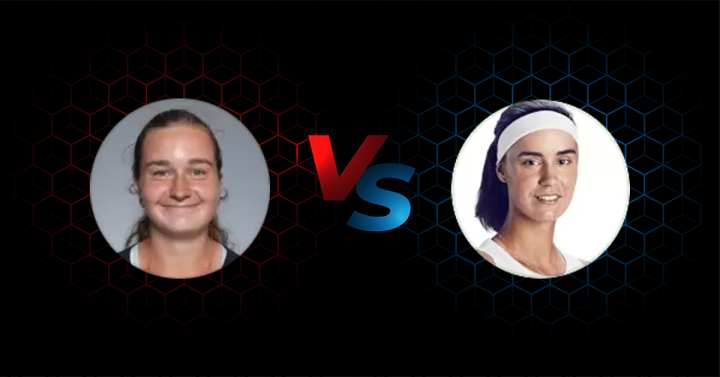
Match snapshot: an all-Ukrainian qualifier in Cluj-Napoca
The WTA Cluj-Napoca (Transylvania Open) qualifying draw serves up a fascinating all-Ukrainian clash as Daria Snigur meets Anhelina Kalinina at the BT Arena in Cluj-Napoca, Romania. The match is scheduled for 2026-01-31 at 12:30:00 UTC, and it’s the kind of matchup bettors love: contrasting styles, a controlled indoor hard-court environment, and two players with very different career arcs right now.
From a tennis tips platform perspective, this is a classic “rhythm vs disruption” contest. Kalinina is the more established tour-level baseliner with a track record of handling pressure. Snigur is the volatile shotmaker whose flat, early ball-striking can make even solid opponents look uncomfortable—especially indoors, where timing becomes a weapon.
Betting odds and market read
The pre-match market leans toward Kalinina, which aligns with her experience edge and generally higher baseline level over the long run.
Moneyline odds (as provided):
– Snigur to win: 2.17
– Kalinina to win: 1.71 (the listing repeats Snigur, but the 1.71 price clearly corresponds to the second player)
In betting terms, that pricing suggests Kalinina is the favorite, while Snigur is the underdog with a live upset profile—particularly if she starts fast and keeps rallies short.
AI prediction: what TennisPredictions.ai suggests
According to TennisPredictions.ai, the top pick is 2 (second player to win), which in this matchup means Anhelina Kalinina. The model’s confidence score is 1.4/10 with odds of 1.71. That low confidence is important: it signals the AI sees a favorite, but not a “slam dunk.” For bettors, this typically means either:
1) keep stakes conservative, or
2) look for a better angle than a straight moneyline—like totals, sets, or live-betting entries.
If you want a daily reference point for curated picks, you can also check the Tennis Bet of the Day for tomorrow for a broader slate beyond this qualifier.
Form and momentum: what each player is trying to prove
Anhelina Kalinina arrives in qualifying mode with something to re-establish. She’s been known as a gritty, tour-ready competitor—someone who can absorb pace, defend, and then flip rallies with depth and direction. After a demanding early-season stretch, the key storyline is stabilization: finding match rhythm, stacking wins, and using her experience to navigate the tricky qualifying environment where opponents swing freely.
Daria Snigur, meanwhile, is the definition of high-variance. Her recent stretches often feature strong performances in lower-tier events and qualifying rounds, and she’s built a reputation as a player who can look “unplayable” when her timing is dialed in. Indoors, that effect can be amplified because the conditions are predictable: no wind, consistent bounce, and a premium on taking the ball early.
For sports betting analysis, that creates a clear handicap question: does Kalinina’s steadiness and rally tolerance outlast Snigur’s first-strike disruption, or does Snigur’s pace and timing steal control before Kalinina can settle?
Styles make fights: the tactical matchup that matters
This is a compelling clash of tennis identities.
Snigur’s blueprint
Snigur’s game is built around extremely flat groundstrokes, compact swings, and early contact. The ball tends to stay low and skid through the court, which can break an opponent’s preferred strike zone and rhythm. When she’s in form, she takes time away relentlessly—turning “neutral” balls into rushed defensive replies. Indoors, that style can feel suffocating for opponents who like longer preparation.
Kalinina’s blueprint
Kalinina is closer to the modern aggressive baseliner archetype: solid serve patterns, a dependable backhand, and the ability to transition from defense to offense. Her biggest asset in matchups like this is her willingness to extend rallies and force the opponent to hit “one more ball.” Against flat hitters, that often becomes a battle of patience and margins—can the aggressor keep threading lines, or do errors creep in?
The key chess move
The match may hinge on whether Kalinina can change the contact point and rally shape—using heavier topspin, higher net clearance, and depth to push Snigur back and disrupt her early timing. If Snigur is allowed to camp on the baseline and take everything on the rise, Kalinina’s usual rally patterns can get rushed. Conversely, if Kalinina can make Snigur hit from a step or two deeper and defend more, the underdog’s low-margin style becomes harder to sustain.
Surface and conditions: why indoor hard court matters
Cluj-Napoca’s indoor hard courts typically reward clean ball-striking and first-strike tennis. The controlled environment helps players who rely on timing and early contact—traits that fit Snigur well. The lower, quicker bounce can also accentuate the skid effect of flat shots, making returns and half-volleys uncomfortable.
Kalinina is capable indoors, but her preference often leans toward conditions that give her a fraction more time and a slightly higher bounce to set her feet and unleash from the baseline. That doesn’t mean she’s disadvantaged—just that she may need a few games to calibrate spacing and return positioning against Snigur’s pace.
Head-to-head context and familiarity factor
When compatriots meet, the “mystery factor” is reduced. Even without extensive official head-to-head history, players from the same national ecosystem often understand each other’s patterns, training habits, and preferred rally shapes. That tends to shift the edge toward the player with the broader tactical toolkit and the steadier decision-making under pressure—often the profile Kalinina represents.
At the same time, familiarity can also help the underdog: Snigur won’t be intimidated by the name, and she’ll likely commit fully to her disruptive style from the first ball.
Best betting angles: moneyline vs totals
Given the AI’s pick (Kalinina) but low confidence rating, bettors may want to avoid overcommitting to the favorite at 1.71 unless they see a strong matchup edge.
The total games market is also in play. The provided total prediction is:
– Over/Under: O8.5 at odds 1.42
That line is extremely low for a tennis match, which implies the bet is essentially expecting the match not to be an ultra-rare short format or abnormal scenario. In standard tennis scoring, clearing 9 total games is very common.
Best tip: Over 8.5 total games (1.42)
From an ethical, responsible betting standpoint: low totals like 8.5 can look “safe,” but they also come with lower payout and still carry risk (retirements, extreme mismatches, or unusual match circumstances). Keep stakes proportional, and consider live betting if you want confirmation of form—especially watching whether Snigur’s timing is sharp and whether Kalinina is reading the flat ball cleanly.
Final prediction for bettors
– Lean: Kalinina to win (AI pick: second player) at 1.71, but with low confidence (1.4/10), suggesting volatility.
– Safer market angle: Over 8.5 games at 1.42, which aligns with typical match scoring patterns and doesn’t require picking the winner.
This qualifier has the ingredients for momentum swings: Snigur can surge if she lands returns early and keeps points short, while Kalinina can grind her way into control if she extends rallies and forces Snigur to hit extra balls under pressure. For a tennis predictions and betting tips audience, it’s a matchup where patience—both on court and in staking—can be the smartest play.