
AI Tennis Tips: Kraus vs Shymanovich
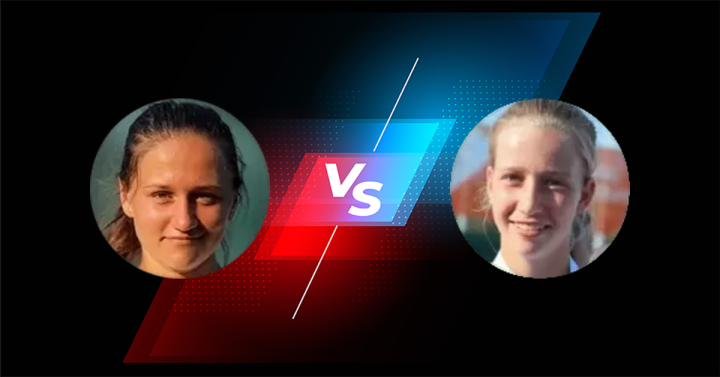
Match snapshot: WTA 125 Oeiras 2 intrigue
The WTA 125 Oeiras 2 event in Portugal serves up a fascinating Round of 16 clash as Iryna Shymanovich meets Sinja Kraus on the Jamor indoor hard courts. On paper, it’s a classic “styles make fights” matchup: Shymanovich’s problem-solving, counterpunching DNA against Kraus’s first-strike, tempo-setting aggression. From a betting perspective, it’s also a rare spot where the market leans one way (Kraus favored at 1.63) while the head-to-head history leans the other (Shymanovich leads 2–0). That tension is exactly what creates value discussions—and why this match deserves a tactical breakdown rather than a simple “who’s better?” take.
The scheduled start time is 11:00:00 UTC on 2026-02-19, and both players arrive with momentum after straight-set opening wins, which matters on indoor courts where confidence and timing often translate quickly into clean holds and decisive runs.
Odds, market read, and what the AI is seeing
Current prices list Shymanovich at 2.33 and Kraus at 1.63. That implies the market is giving Kraus the higher win probability, likely driven by her recent trajectory and the indoor conditions that reward proactive tennis.
Our platform’s model agrees with the market direction and flags the second player as the best side: 2 (Sinja Kraus to win) with a confidence rating of 4.2 at odds 1.63. In betting terms, that’s a moderate-confidence edge rather than a “max bet” signal—useful for sensible staking, especially given the head-to-head.
The totals lean is also clear: Under 23.5 games is priced at 1.52, and the prediction is U23.5. That suggests a match script where one player controls enough service games and return patterns to avoid a long three-set grind.
Form guide and momentum: why this isn’t just about rankings
Shymanovich’s early 2026 results have been uneven, carrying a 3–4 record into this week. But the key detail for bettors is not the raw record—it’s the way she looked in her opener in Oeiras. She produced a commanding straight-sets win over Nuria Parrizas Diaz, an experienced opponent who typically asks physical and tactical questions. That kind of performance can “reset” a season, especially for a player who thrives on rhythm, patterns, and confidence in her defensive lanes.
Kraus, meanwhile, is trending like a player who has learned how to win the matches she’s supposed to win. After capturing her first WTA 125 title in Cali late in 2025, she has carried that belief into early 2026 with a 7–4 record. Her first-round win over Caroline Werner was described as clinical—and that’s the word you want to hear on indoor hard courts. Indoors, clean execution beats improvisation more often than not, and Kraus’s current brand of tennis is built around repeatable, high-percentage aggression.
Playing styles: counterpuncher vs first-strike aggressor
Shymanovich is best understood as a tactical recycler. She extends rallies, absorbs pace, and forces opponents to hit “one more” ball under pressure. She’s also shown a strong ability to capitalize on key moments—an important stat floating around her early 2026 profile is a 51% break-point conversion rate. Even if that number normalizes over time, it signals a player who competes well on return points that matter.
Kraus is the opposite archetype: she wants to take time away. Expect her to look for early ball contact, flatten out groundstrokes, and use the first serve as a platform to dictate. Indoors, that approach gets a boost because the bounce is consistent and there’s no wind to disrupt timing. If Kraus is landing first serves and stepping inside the baseline on second-ball opportunities, she can keep Shymanovich from turning the match into a long, defensive puzzle.
The tactical battle is simple to describe but hard to execute:
Kraus’s goal: shorten points, attack second serves, and avoid extended crosscourt exchanges that allow Shymanovich to lock in defensively.
Shymanovich’s goal: drag Kraus into extra shots per rally, vary height and depth, and make Kraus hit from uncomfortable positions—especially on the backhand wing—until errors appear.
Surface and conditions: why Jamor indoors matters
Indoor hard courts at Jamor tend to reward players who strike cleanly and serve with intent. The environment is stable: no sun, no wind, no chaotic bounces. That stability is often a hidden edge for aggressive players because it reduces the “randomness tax” on big hitting.
That said, Shymanovich’s ability to absorb pace can still play indoors because predictable bounces help defenders read and time their counterpunching. Also, she has historically been comfortable in Portugal, and familiarity with local conditions—court pace, lighting, and surroundings—can matter at WTA 125 level where margins are thin.
So why does the model still lean Kraus? Because the indoor setting typically amplifies the value of first-strike tennis, and Kraus’s current form suggests she’s executing that identity with fewer lapses than before.
Head-to-head: Shymanovich leads 2–0, but context matters
Shymanovich owns a 2–0 head-to-head advantage, and that’s the biggest “warning label” on a Kraus moneyline bet. Their most notable recent meeting came in US Open qualifying on August 19, 2025, where Shymanovich won 6-3, 2-6, 7-5. They also played a three-setter in Bari on clay, again with Shymanovich coming out on top.
Two key takeaways for bettors:
1) Shymanovich has shown she can survive Kraus’s surges.
2) The matches were tight—meaning Kraus has been close to flipping the script.
If Kraus has improved her serve patterns, return positioning, and shot tolerance since late 2025 (which her results suggest), she’s exactly the type of player who can turn a 0–2 head-to-head into a “new chapter” win—especially indoors.
Best bet and why it fits the matchup
The recommended side is Sinja Kraus to win (1.63). The logic is rooted in conditions and trajectory: Kraus’s aggressive baseline game is built for indoor hard courts, and her recent run of form points to a player converting control into wins more consistently. If she keeps her unforced errors in check and protects second-serve points, she can prevent Shymanovich from turning this into a grinding, momentum-swinging contest.
From a betting strategy standpoint, this is a “back the favorite for structural reasons” play: surface + style + current execution.
Total games pick: Under 23.5 (1.52) explained
The Under 23.5 angle aligns with a match where one player gains a repeatable edge on serve-plus-one patterns and return pressure. If Kraus wins in two sets with one set containing a single break advantage (6-4, 6-4) or a more one-way set (6-3, 6-4), the under cashes comfortably. Even a 7-5, 6-4 type scoreline stays under 23.5.
The under is also supported by the idea that indoor matches can feature “runs” when timing clicks—one player holds easily while the other faces constant pressure. If Shymanovich’s defensive resistance doesn’t translate into enough holds, sets can move quickly.
Risk factors and how bettors should think about staking
The main risk is the head-to-head pattern: Shymanovich has repeatedly found solutions, and she’s experienced at managing momentum swings. If Kraus gets impatient, sprays errors, or lets Shymanovich extend rallies into the 8–12 shot range, the match can drift toward a three-set scenario—bad for the under and dangerous for the favorite.
That’s why a measured stake makes sense: the edge is real, but it’s not risk-free. In industry terms, this is a solid pre-match position with clear logic, but not a spot to overexpose your bankroll.
Final call: tactical edge to Kraus indoors
Expect Kraus to press early, attack second serves, and try to keep the ball low and flat through the court. Expect Shymanovich to test her patience, stretch points, and look for return games where she can leverage her strong break-point efficiency. If Kraus stays disciplined, the indoor conditions should reward her proactive patterns—making Sinja Kraus to win the best tip, with Under 23.5 games a sensible supporting angle for totals bettors.