
AI Tips for Tiafoe vs Nakashima
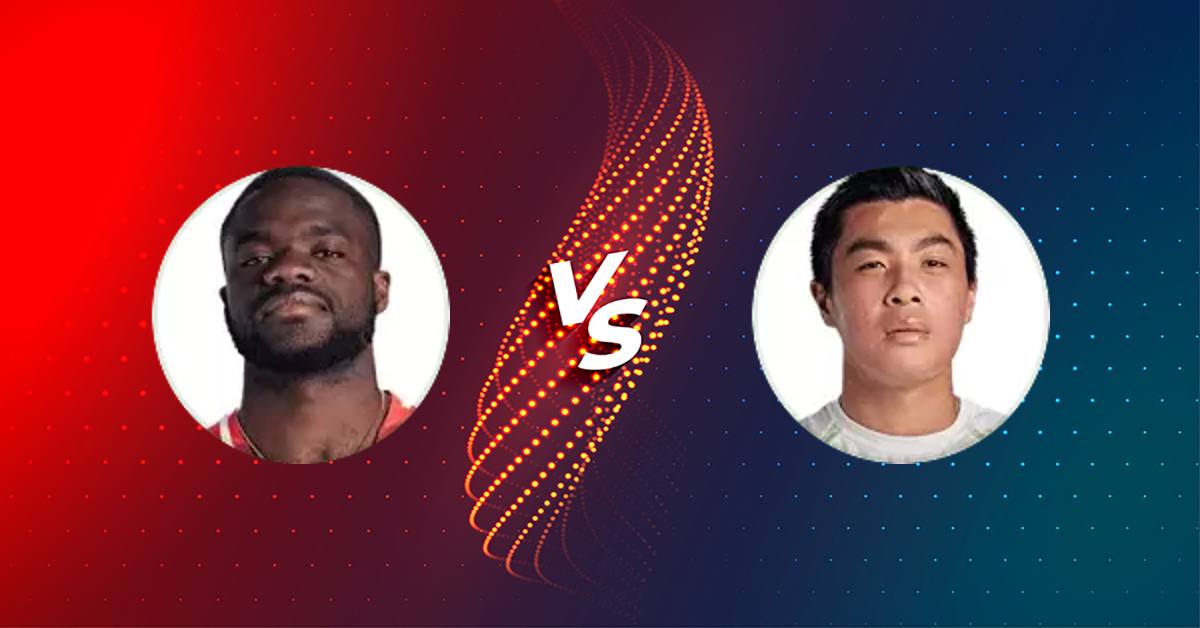
Semifinal Spotlight: Acapulco’s All-American Battle
The ATP Acapulco Open (Abierto Mexicano Telcel) delivers a blockbuster semifinal as Frances Tiafoe faces Brandon Nakashima in a high-stakes, all-American clash on Mexican soil. The match is scheduled to begin at 2026-02-28 02:30:00 UTC, with a place in the final on the line and two contrasting styles set to collide under the bright lights.
From a betting perspective, the market frames Nakashima as the slight favorite: Tiafoe to win at 2.08 and Nakashima to win at 1.78. That pricing implies the sportsbook sees Nakashima as the steadier option, but not by a wide margin—exactly the kind of matchup where tactical edges, matchup dynamics, and momentum swings can matter more than raw ranking narratives.
Our platform’s AI model flags a potential value angle: it identifies 1 (first player will win) as the top tip with a confidence score of 4.6 at odds of 2.08. In other words, the model believes Tiafoe’s win probability is being undervalued relative to the market. Meanwhile, the total games projection leans toward Under 30.5 at 1.3, suggesting a match that is more likely to be decided in two sets or a relatively “contained” three-setter without multiple extended tie-break sequences.
If you’re building a broader slate for the week, you can also compare this pick to the Tennis Bet of the Day for tomorrow to see how it stacks up versus other model-led edges.
Odds, Market Read, and What They Suggest
Let’s translate the odds into a practical betting lens:
– Tiafoe 2.08 indicates a meaningful underdog price—often the zone where a player with serve-plus-athleticism can become a profitable proposition if the matchup is right.
– Nakashima 1.78 reflects a favorite built on stability: clean mechanics, repeatable patterns, and fewer “free” errors.
The key question for bettors is whether this is a “baseline efficiency” match (advantage Nakashima) or a “first-strike and disruption” match (advantage Tiafoe). On Acapulco’s typically lively conditions, the player who can take time away and finish points early often gains extra leverage—especially in pressure moments late in sets.
Tactical Breakdown: Frances Tiafoe’s Path to Victory
Tiafoe’s best tennis is built around controlled chaos—explosive athleticism, quick hands at net, and the ability to change the rhythm of rallies. Tactically, his winning blueprint in this matchup looks like this:
1) Attack Nakashima’s rally comfort with variety
Nakashima thrives when points become repetitive: crosscourt exchanges, measured depth, and steady tempo. Tiafoe can disrupt that by mixing:
– Sudden forehand acceleration down the line
– Short angles to pull Nakashima off the baseline
– Slice and height changes to break timing
The more “samey” the rally patterns are, the more this leans toward Nakashima. The more Tiafoe forces improvisation, the more the match becomes about athletic problem-solving—his wheelhouse.
2) Serve plus one: make it a first-strike contest
Against a clean ball-striker like Nakashima, Tiafoe doesn’t want to live in neutral rallies all night. He’ll want to:
– Land a high first-serve percentage
– Follow with a decisive forehand to the open court
– Use the body serve to jam returns and earn short balls
If Tiafoe can keep his service games efficient, he applies scoreboard pressure and reduces the number of baseline exchanges where Nakashima’s consistency can compound.
3) Use forward movement to shorten points
One of Tiafoe’s underrated edges is how quickly he can transition forward when he commits to it. Net approaches after deep forehands, plus occasional serve-and-volley looks, can force Nakashima to hit passing shots under stress rather than settling into comfortable patterns.
Tactical Breakdown: Brandon Nakashima’s Path to Victory
Nakashima is the prototype of a modern, efficient baseliner: compact swings, strong backhand structure, and a calm temperament that holds up in tight moments. His route to the win is equally clear:
1) Extend rallies and win the “discipline battle”
Nakashima’s biggest edge is repeatability. He’ll try to make Tiafoe hit extra balls, especially to the backhand wing, and wait for:
– Loose forehands when Tiafoe over-presses
– Risky down-the-line attempts from awkward positions
– Over-ambitious second-serve returns
In betting terms, Nakashima benefits when the match becomes about minimizing mistakes rather than creating winners.
2) Neutralize the Tiafoe serve with deep returns
The return game is where underdogs often lose value—if they can’t get traction on the favorite’s serve, they’re constantly one bad service game away from losing a set. Nakashima will aim to:
– Block returns deep and central to remove angles
– Target Tiafoe’s backhand return lane to start neutral
– Make Tiafoe hit a difficult first groundstroke
If Nakashima consistently starts points on even footing, his baseline structure becomes a major problem.
3) Win the backhand exchanges and control the middle
Nakashima’s backhand is a stabilizer. If he can keep the ball through the middle third and deny Tiafoe angles, he can reduce the American showman’s ability to create chaos.
Key Matchup Swing Factors Bettors Should Watch
First-serve percentage (Tiafoe)
If Tiafoe’s first serve dips, Nakashima’s clean return patterns can immediately tilt the match. If it’s high, Tiafoe can play “serve + forehand” and keep sets on his racket.
Break-point conversion
Semifinals often come down to a handful of points. The player who stays brave on break points—either with a committed first strike (Tiafoe) or a rock-solid pattern (Nakashima)—usually cashes the ticket.
Rally length distribution
Short points favor Tiafoe. Medium-to-long rallies favor Nakashima. Early games will reveal which player is imposing their preferred geometry.
Best Bets: AI Predictions and Betting Rationale
The model’s top selection is the underdog, which is exactly where bettors can find long-term edge when the matchup supports it.
Best Tip: Frances Tiafoe to win (1) @ 2.08
AI confidence: 4.6
Why this can be value: Tiafoe’s ceiling is built for big-stage matches, and in conditions that reward assertive serving and quick point construction, he can take the racket out of Nakashima’s hands. If Tiafoe commits to variety, forward movement, and first-strike tennis, the underdog price becomes attractive—especially because the market already suggests this is a close contest.
Total Games Pick: Under 30.5 @ 1.3
Why it fits the matchup: Even if the match goes three sets, Under 30.5 can still land if at least one set is decided with a break cushion (for example, 6-3 sets) rather than multiple tie-breaks. This line aligns with a scenario where one player gets a tactical grip for stretches—either Tiafoe riding serve-plus-one dominance or Nakashima forcing a dip in Tiafoe’s execution and pulling away in a set.
Final Word: How This Semifinal Could Unfold
This semifinal has the feel of a stylistic chess match: Nakashima will try to turn it into a clean, repeatable baseline equation, while Tiafoe will try to introduce volatility—shortening points, changing spins, and injecting pace at unexpected moments.
If Tiafoe serves efficiently and commits to proactive patterns, he can justify the AI’s call and outperform the market expectation. If Nakashima absorbs the early storm, extends rallies, and keeps returns deep, the favorite price will look sharp. From a betting standpoint, the value argument sits with the underdog—because the path to a Tiafoe win is realistic, tactical, and supported by the plus-money number.
Best Tip: Frances Tiafoe to win @ 2.08
Secondary lean: Under 30.5 games @ 1.3