
Indian Wells AI Tips: Walton vs Tien
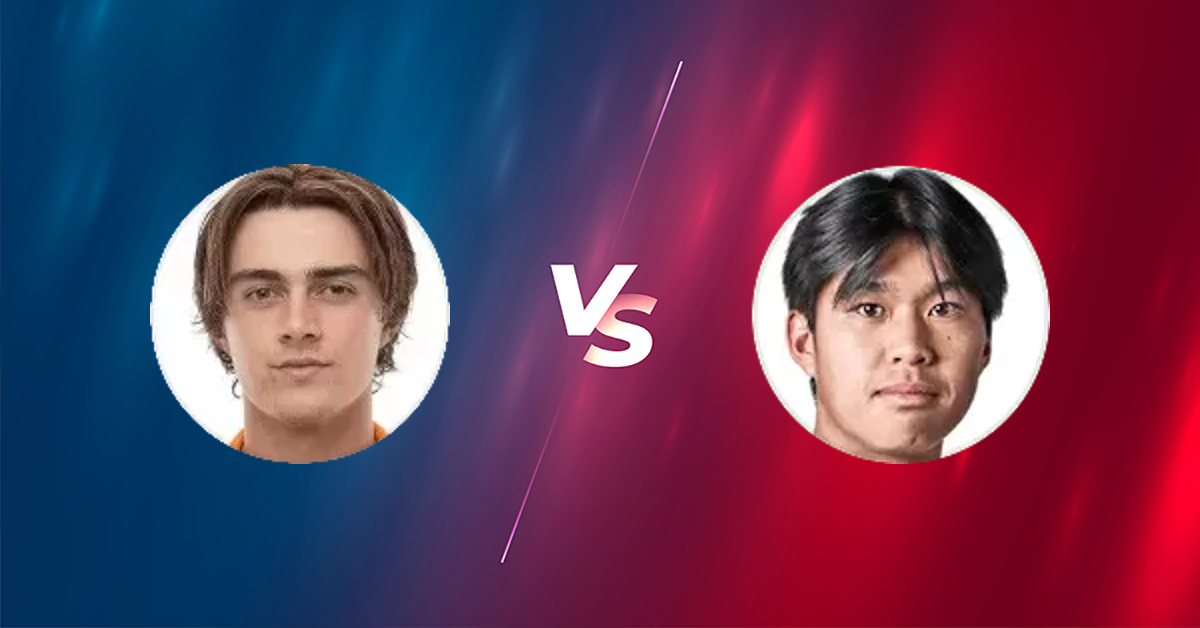
Match Overview
The BNP Paribas Open at Indian Wells is built for big moments: slow-ish hard courts, lively daytime conditions, and a stadium atmosphere that can rattle even seasoned pros. On 2026-03-06 at 19:00:00 UTC, Australian late-bloomer Adam Walton meets 20-year-old American rising star Learner Tien in what shapes up as a classic “experience vs acceleration” matchup. Walton has carved out his path with persistence and structure, while Tien represents the modern baseline archetype—early ball-striking, quick transitions, and a willingness to take time away.
From a betting perspective, the market is leaning heavily toward the American. The listed odds show 4.45 for a Walton win and 1.21 for the second player—Tien—to win (note: some books may display a duplicated label, but the pricing clearly indicates Tien as the favorite). That gap tells you the expectation: Tien’s baseline pressure and court coverage are projected to translate cleanly in Indian Wells conditions.
Player Snapshot: Styles, Strengths, and What’s Unique
Adam Walton: the late-bloomer with structure
Walton’s story resonates because he’s not the “teen phenom” template. He’s a late-bloomer who has built his career through incremental gains—fitness, patterns, and match management. Tactically, Walton tends to win when he can:
– Protect serve with high first-serve percentage and avoid extended second-serve punishment.
– Use disciplined cross-court patterns to create a manageable rally tempo.
– Pick moments to step in rather than trying to outgun opponents for two hours.
Indian Wells can reward this kind of structure, but only if the underdog can keep the match in “neutral” for long stretches. If Walton gets rushed—especially on the backhand wing or on second-serve returns—his margin shrinks quickly.
Learner Tien: American rising star with early timing
Tien’s appeal is how modern and efficient his game looks for his age. He’s known for taking the ball early, redirecting pace, and turning defense into offense without needing reckless shot selection. In a slower hard-court environment like Indian Wells, that ability to create offense through timing becomes even more valuable: you don’t always get free points, so you need repeatable ways to win rallies.
What makes Tien uniquely dangerous in this matchup is the combination of:
– Return pressure: he can make service games feel longer than they should.
– Baseline acceleration: he changes direction well and can flip a rally with one clean strike.
– Composure for his age: he tends to play within himself, which is crucial in a big-event setting.
Tactical Matchup: Where This Is Likely Won
1) Return games: Tien’s biggest edge
If Tien consistently gets Walton into second serves, the match tilts. Indian Wells rewards strong return positioning and patience—two things that fit Tien’s profile. Expect him to:
– Stand in a position that invites Walton to go bigger (risk) or safer (predictable).
– Attack second serves with depth rather than outright winners, then win the next ball.
For Walton, the counter is clear: first-serve percentage must be high, and the first ball after serve needs to be purposeful (often to the opponent’s backhand corner, then reset cross-court).
2) Rally tolerance and court positioning
Walton generally wants rallies that are “orderly”—cross-court exchanges, measured height over the net, and selective aggression. Tien wants to disrupt that order by:
– Taking the ball earlier to steal time.
– Changing direction down the line to open the court.
– Pulling Walton out of his preferred patterns.
If Tien succeeds in consistently playing on or inside the baseline, Walton will be forced into lower-percentage passing shots and defensive lobs—fine occasionally, but hard to live on for a full match.
3) The underdog path: shorten points without donating errors
Walton’s upset route is not complicated, just difficult:
– Hold serve efficiently.
– Mix locations (body serves, wide serves) to prevent Tien from grooving returns.
– Look for controlled net approaches when the approach is earned (not forced).
If Walton turns this into a “first strike + one more ball” contest, the odds become more interesting. If it becomes a pure baseline pressure test, the favorite’s edge grows.
Betting Odds & Market Read
With Walton at 4.45 and Tien at 1.21, the market is pricing a fairly one-sided outcome. That doesn’t mean Walton can’t compete—tennis variance is real—but it suggests bookmakers expect Tien to win the majority of simulations, likely in straight sets more often than not.
For bettors who like data-driven angles, it’s worth comparing market odds with model-based picks. One resource that aggregates AI-driven projections is today AI tennis predictions, which aligns with the idea that Tien’s matchup advantages are significant here.
AI Pick, Best Tip, and Prediction Rationale
TennisPredictions.ai’ AI lists the top prediction as 2 (second player will win) with a confidence score of 8.2/10 and odds of 1.21. That’s a strong confidence rating in tennis terms, implying the model sees multiple reinforcing edges rather than a single fragile advantage.
Best Bet
Best tip: Learner Tien to win (Match Winner) @ 1.21
Why this is the best angle
– Return advantage: Tien is more likely to pressure Walton’s second serve and create break chances.
– Baseline control: Indian Wells often rewards players who can sustain depth and redirect pace—Tien’s wheelhouse.
– Matchup logic: Walton’s best route requires serving dominance and short points; Tien’s style is built to prevent exactly that.
Ethical Betting Note
This preview is analysis, not a guarantee. Odds reflect probability, not certainty, and tennis can swing on small margins—one loose service game, a dip in first-serve percentage, or a momentum shift. Stake responsibly, avoid chasing losses, and treat betting as entertainment with limits.
Final Score Lean
Given the tactical matchup and the pricing, the most reasonable lean is Tien in 2 sets, with Walton needing an exceptional serving day to push it deeper.