
Ivan Gakhov vs Frederico Ferreira Silva: Predictions
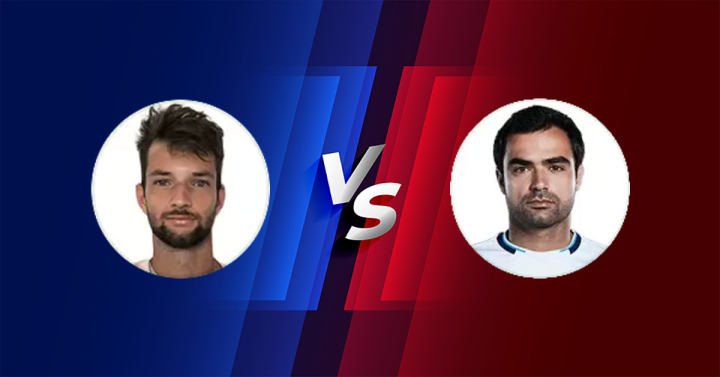
Match details, odds, and AI pick
Ivan Gakhov and Frederico Ferreira Silva meet in a highly anticipated quarterfinal at the Challenger Oeiras 2 in Portugal. The match is scheduled for 2026-01-30 at 11:00 UTC, and it’s a fascinating stylistic battle because it features two experienced left-handers—a matchup type that often creates unusual serving patterns and rally geometry compared to the more common righty-vs-righty dynamics.
From a tennis betting perspective, the market is close:
– Ivan Gakhov to win: 2.11
– Frederico Ferreira Silva to win: 1.95
Our model at TennisPredictions.ai makes the call on the moneyline: Best bet: 2 (Frederico Ferreira Silva to win) @ 1.95, with a confidence rating of 8.0/10. If you want to compare this pick with other data-driven angles and match previews, you can also browse AI Tennis Tips and Predictions for additional context across the Challenger slate.
Why this quarterfinal matters at Challenger level
Challenger events are where ranking momentum is built, and quarterfinals are the “business end” where points and confidence compound quickly. A deep run in Oeiras can be pivotal for both players’ early-season planning: stronger ranking points help with direct acceptances into upcoming Challenger main draws, ATP qualifying opportunities, and better positioning for the spring European swing.
There’s also a narrative element that matters in betting markets: Ferreira Silva is the home representative and a long-time figure in Portuguese tennis, while Gakhov is a Russian lefty who has spent years grinding through the Challenger circuit and looking to convert his baseline power into more consistent results on quicker surfaces. When two players are this close in price, situational edges—surface comfort, indoor patterns, and pressure handling—can become decisive.
Player snapshot: Ivan Gakhov
Gakhov’s game is built around heavy baseline pressure. He’s typically at his best when he can set his feet, load up on topspin, and dictate with first-strike patterns. Historically, he has been associated with a clay-court pedigree—where his weight of shot and rally tolerance naturally translate—but he has also been working to make his offense more effective on faster courts. Indoors, that usually means emphasizing:
– a more assertive first-serve + forehand pattern,
– stepping inside the baseline earlier,
– and shortening points when openings appear.
In this tournament, his route to the quarterfinals has reportedly included a gritty three-set opener followed by a cleaner performance in the round of 16, where his serving rhythm looked more stable. That “growing into the event” arc is real at Challenger level: players often need one match to calibrate timing indoors, especially if their default game is built on heavier topspin and longer exchanges.
Betting takeaway: Gakhov’s upside is clear—if he lands a high percentage of first serves and controls the center of the court, he can look unplayable in patches. The risk is that indoor hard courts can punish small dips in timing, and against a player who reads patterns well, second-serve pressure can mount quickly.
Player snapshot: Frederico Ferreira Silva
Ferreira Silva is widely viewed as a tactically mature competitor—an all-court profile who can absorb pace, redirect, and use variation to disrupt an opponent’s strike zone. He’s also a familiar name to Portuguese fans and tends to draw an extra gear when playing at home, where crowd energy can matter in tight sets and late-game service holds.
A key note coming into this match is that he appears to have started 2026 looking physically sharper after a 2025 season that was reportedly interrupted by minor injury issues. In Oeiras this week, he has advanced without dropping a set, which is not just a stat for the recap—it’s a sign of scoreboard control. Straight-set wins often indicate a player is seeing the ball early, protecting serve efficiently, and managing pressure points without spiraling into extended baseline wars.
Betting takeaway: Ferreira Silva’s profile fits indoor Challenger tennis well because he can win in multiple ways—through consistency, through variation, and through smart targeting of opponent movement. That flexibility is valuable in a lefty-vs-lefty match where traditional patterns don’t always apply.
Tactical matchup: lefty vs lefty patterns
Lefty-versus-lefty contests can feel “mirrored,” and that changes the default playbook. The classic righty cross-court forehand into a backhand is flipped, and serve directions that usually create automatic advantages can become neutral.
Here’s what to watch:
– Gakhov’s plan: play first-strike tennis, use pace to rush Ferreira Silva, and look to finish points earlier—either with a forehand drive into space or by closing at net when the court opens up. If Gakhov can consistently land serves that prevent Ferreira Silva from taking clean returns, he can keep rallies on his terms.
– Ferreira Silva’s plan: make Gakhov hit extra balls, change the pace with slice and height, and pull him off the center line with angles or occasional drop shots. Against a bigger hitter, “variety plus depth” is often the most reliable way to force errors without donating short balls.
In practical betting terms, this matchup often comes down to who wins the “neutral ball” exchanges. If Ferreira Silva can keep the ball low and vary tempo, he can reduce the effectiveness of Gakhov’s heavy topspin patterns and force him into awkward contact points.
Surface and conditions: indoor hard in Oeiras
Indoor hard courts typically reward:
– clean serving,
– early ball-striking,
– and consistent timing (no wind, no sun, fewer external variables).
That can help an aggressor like Gakhov because the bounce is predictable and his power translates efficiently. However, there’s a strong counterpoint that supports the AI lean toward Ferreira Silva: local familiarity. Players who train and compete frequently in Portuguese indoor conditions often understand subtle details—how the ball carries, how spin bites (or doesn’t), and how the court rewards certain trajectories. Those small edges can show up in tiebreaks, return positioning, and second-serve patterns.
Best betting tip and reasoning
Given the tight odds (1.95 vs 2.11), the decision is about marginal edges rather than a mismatch. The model’s confidence (8/10) suggests it sees a meaningful difference in expected win probability despite the near pick’em market.
The core reasons supporting the selection:
1. Momentum and efficiency: Ferreira Silva’s straight-set path suggests steadier level and fewer fluctuations so far this week.
2. Matchup versatility: his ability to mix pace and shape can be especially effective against a power-first baseliner indoors.
3. Home-court comfort: familiarity with local conditions can matter more than people think in close Challenger matches.
Best tip: Frederico Ferreira Silva to win (2) @ 1.95.
Responsible and ethical betting note
This preview is designed to be informative and neutral, using available match context, odds, and a model-based pick. No bet is guaranteed—especially at Challenger level, where form swings and small physical issues can quickly change match dynamics. Consider bankroll management (flat staking or small unit sizing) and avoid chasing losses.
Final outlook
Expect a competitive contest shaped by lefty patterns, indoor timing, and who controls the first two shots of each rally. Gakhov has the firepower to run away with stretches if his serve and forehand click, but Ferreira Silva’s steadier early-week form, tactical range, and home conditions support the value case behind the AI recommendation at 1.95.