Liam Broady vs Harry Wendelken: Predictions
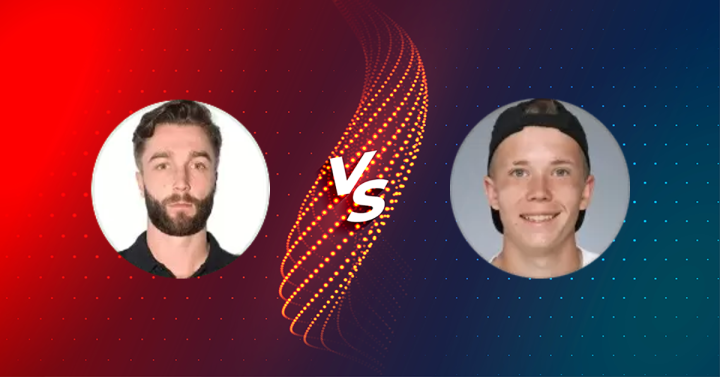
Match Overview: an all-British final in Miyazaki
The 2026 ATP Challenger Miyazaki final sets up a compelling, all-British clash as Liam Broady meets Harry Wendelken in Japan. The match is scheduled for 2026-04-05 at 04:00:00 UTC, with a trophy on the line and two very different career narratives converging at the same moment.
Miyazaki Challenger finals often come down to who handles the occasion better: the player who can manage nerves, protect serve under pressure, and stay disciplined in the longer baseline exchanges typically gets rewarded. That’s why this matchup is so interesting for tennis betting—because it blends a more established Challenger-level competitor in Broady with the hunger and upside of Wendelken, who will be looking to turn a breakthrough run into a title.
From a market perspective, bookmakers have installed Broady as the favorite. Current odds list 1.67 for a Broady win, while Wendelken is priced at 2.27. Those numbers imply Broady is expected to win more often than not, but not by a massive margin—suggesting bettors should still respect the underdog’s chances, especially if the match becomes tight late.
Quick odds snapshot and AI angle
Here’s the key betting information for this final:
Moneyline
- Liam Broady to win: 1.67
- Harry Wendelken to win: 2.27
AI model lean
TennisPredictions.ai flags the pick as 1 (first player to win), aligning with the market favorite. The model’s confidence score is 3.5/10, which is important: it’s a lean rather than a strong conviction call. In other words, the AI agrees with Broady being the more likely winner, but it also “admits” this is not a slam-dunk spot.
If you want to explore more model-driven match angles and how these projections are built, you can check the platform’s hub here: AI Tennis Predictions.
Player focus: Liam Broady’s experience edge
Broady arrives in this final with the profile bettors usually like in a Challenger title match: a player who has been through high-pressure matches, understands the rhythms of tour-level tennis, and typically has a more stable “floor” from set to set. In betting terms, that often translates to fewer unexplained dips and a better ability to close when leading.
Tactically, Broady’s value often comes from his ability to mix patterns rather than play one-speed tennis. In a final, that matters. When rallies tighten up, the player who can change height, pace, and direction without donating errors tends to control the key moments—especially on second-serve returns and at deuce games.
Another angle bettors frequently consider in a final is how a player handles being the favorite. Broady’s price at 1.67 suggests the market expects him to carry that role. The advantage is that he’s more likely to have been in this position before, and that experience can show up in subtle ways: smarter shot selection on break points, calmer service games when protecting a lead, and better emotional control if an early set doesn’t go perfectly.
Player focus: Harry Wendelken’s upside and underdog appeal
Wendelken, meanwhile, enters as the underdog at 2.27—an intriguing number for bettors who like backing momentum and upside. Finals can sometimes reward the player who swings freer, especially if they get an early lead and force the favorite to play from behind.
Underdogs in Challenger finals often win in one of two ways:
1) they serve well enough to keep scoreboards tight, then steal a set via one strong return game, or
2) they turn the match into a physical, extended baseline battle where the favorite’s patience gets tested.
Wendelken’s task is straightforward in concept but difficult in execution: he needs to keep his service games efficient, avoid loose stretches, and make Broady hit extra balls in the biggest return games. If he can get this match into a “coin-flip” third set or a late-set tiebreak scenario, the 2.27 price starts to look more attractive—because a few points can decide everything.
How this matchup can play out: key tactical themes
1) First-serve performance and short points
In a final, the player who wins more free points—aces, unreturned serves, plus-one forehands—often controls the tempo. If Broady lands a high first-serve percentage, he can keep Wendelken from settling into return rhythm. If Wendelken’s first serve holds up, he can keep pressure on Broady by forcing him to “earn” breaks.
2) Return games under stress
Challenger finals frequently hinge on just a handful of return games: one loose service game can decide a set. Watch early for who is reading the serve better and who is getting more neutral returns in play. A small edge in return depth can snowball into break chances.
3) The mental side: closing ability
With Broady favored, the closing question becomes relevant. If he gets ahead, can he convert? If Wendelken gets ahead, can he protect the lead without tightening up? These are the moments where experience often shows, but hunger can be just as powerful.
Best bets: picks and reasoning
Main tip (moneyline)
The AI and the market point in the same direction: Broady is the more likely winner, and he’s priced accordingly. The caution is the modest AI confidence (3.5/10), which suggests bettors should size stakes responsibly rather than treating this as a “lock.”
Best tip: Liam Broady to win (1.67)
Why it makes sense:
- Broady’s experience profile typically plays well in finals where nerves matter.
- The market makes him a clear but not overwhelming favorite—suggesting a realistic edge without ignoring Wendelken’s threat.
- The AI top prediction aligns with the favorite, reinforcing the baseline read.
Total games tip
The suggested total is Over 19.5 games at 1.43. That line implies the market expects a competitive match—think 7–5 sets, a tiebreak, or a three-set scenario. Even if Broady wins, he can still do it in a scoreline that clears 19.5 (for example, 6–4 7–6 is already 23 games).
Why Over 19.5 is logical here:
- Finals often start tight, with both players holding serve early before return patterns settle.
- The underdog price (2.27) indicates Wendelken is expected to be competitive enough to push sets close.
- Broady’s favored status doesn’t automatically mean a routine straight-sets win; it can still be two close sets.
Responsible betting note
This preview is designed to be ethical and fact-driven: odds reflect probabilities, not certainties. The AI confidence score being moderate is a useful reminder to avoid overexposure. Consider bankroll management, compare prices across books, and remember that tennis—especially at Challenger level—can swing quickly on form, fatigue, and a few high-leverage points.
Final verdict
For tennis betting fans, Broady vs Wendelken offers a strong narrative and a practical wagering setup: a favorite with experience at a playable price, and a totals angle that fits the expectation of a competitive final. The cleanest position is backing Broady on the moneyline, while the Over 19.5 games looks like a sensible companion bet if you anticipate at least one tight set.
The stage is set in Miyazaki: one Brit aiming to validate favorite status, the other trying to turn a big run into a statement title.