Miami Open AI Tips & Predictions
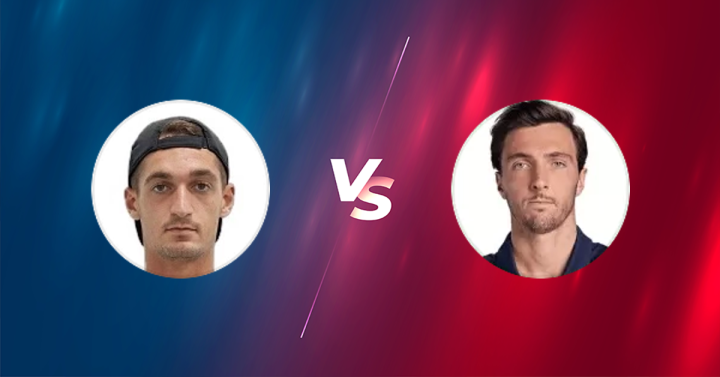
Match snapshot: Atmane vs Rinderknech
The ATP Miami Open serves up an intriguing all-French duel as Terence Atmane meets Arthur Rinderknech in the Round of 64. From a tennis betting perspective, this is the kind of matchup that attracts attention because it blends two different career arcs: Atmane is still in the “breakthrough and consolidate” phase, while Rinderknech is the more established tour-level presence who has already proven he can handle the weekly grind of ATP events.
On paper, it’s a clash of big weapons and first-strike tennis. Miami’s conditions typically reward players who can protect serve, take the ball early, and finish points efficiently—traits that both Frenchmen can bring when they’re timing the ball well. That said, the market leans toward the second player: odds list Atmane at 2.30, while Rinderknech is priced at 1.65, implying the bookmakers see Rinderknech as the more reliable option in this spot.
Betting odds and what they imply
Let’s translate the moneyline into implied probability—useful for anyone trying to find value in ATP betting markets.
Terence Atmane to win @ 2.30 implies roughly 43–44% win probability (1 / 2.30).
Arthur Rinderknech to win @ 1.65 implies roughly 60–61% win probability (1 / 1.65).
That gap is meaningful. It suggests the market expects Rinderknech’s experience, serve patterns, and ability to manage pressure moments to matter more than Atmane’s upside. For bettors, the key question becomes: is Atmane’s ceiling high enough to justify the underdog price, or is Rinderknech’s steadier baseline level the safer side?
AI prediction: strongest angle from TennisPredictions.ai
TennisPredictions.ai points firmly to the second player as the top call:
Prediction: 2 (Rinderknech to win)
Confidence: 10.0/10
Model odds: 1.65
When an AI model aligns perfectly with the market price and assigns maximum confidence, it usually means the model sees a clear structural edge—often related to serve/return efficiency, historical performance in similar conditions, or a consistency advantage in tight sets. It doesn’t guarantee the outcome (nothing does in tennis), but it does indicate the model believes the favorite’s win path is more repeatable.
Player profiles: styles, strengths, and matchup dynamics
Arthur Rinderknech enters this match as the more established name on the ATP Tour. He’s often associated with a classic “big serve + first ball” blueprint: hold serve frequently, look for short returns, and apply pressure in a handful of key return games. In Masters 1000 events, that profile can be extremely valuable because it reduces variance—especially against opponents who can drift in and out of rhythm.
Terence Atmane, meanwhile, represents the newer wave of French talent trying to push into the top tier. Bettors tend to like players in this phase because they can improve quickly, and their market price sometimes lags behind their actual level. Atmane’s appeal is that he can play aggressive, modern baseline tennis and ride momentum when his timing is sharp. The risk is that, against a server like Rinderknech, you may not get many looks on return—so any dip in focus on your own service games can be punished immediately.
In practical terms, this matchup may come down to three things:
1) Who wins the “serve +1” battle more often
2) Whether Atmane can consistently neutralize Rinderknech’s first delivery
3) Which player handles the pressure points—30-30s, break points, and tiebreak mini-battles
Recent form and momentum: what matters for bettors
One of the more interesting angles floating around this matchup is that Rinderknech’s early-season results haven’t been spectacular, with reports pointing to a slow start and a sub-.500 record to begin the year. For betting analysis, that can cut two ways:
– If you believe the sluggish record reflects genuine performance issues, the underdog price on Atmane becomes more tempting.
– If you believe it’s a small-sample wobble and Rinderknech’s underlying serve/hold numbers remain solid, then Miami becomes a “reset” spot where experience and patterns reassert themselves.
Atmane’s momentum angle is different: younger players can spike in performance quickly, but they can also be more volatile match-to-match. Against a player who can shorten points and keep scoreboard pressure high, volatility is dangerous—especially in a best-of-three format where one loose service game can decide a set.
Total games market: Under 31.5 at 1.28
The AI lean on totals is Under 31.5 games at 1.28. That line is relatively high for a best-of-three match, which means the market is allowing for scenarios like:
– two tight sets with at least one tiebreak, or
– a three-set match that isn’t overly long (e.g., 6-4, 3-6, 6-4)
Why would Under 31.5 still be favored? Because to beat 31.5, you typically need either:
– three sets with at least one tiebreak, or
– multiple extended sets like 7-6, 6-7, 6-4 (which already totals 33 games)
If the favorite wins in straight sets, Under 31.5 is usually in great shape unless both sets go to tiebreaks (7-6, 7-6 = 26 games anyway). Even many three-set matches land under 31.5 if there’s a “swing set” (like 6-2) in the middle.
So the Under is essentially a bet that we don’t get a marathon with multiple tiebreaks and a full three-set grind.
Best betting tips (value-focused)
Based on the odds, the AI model, and the matchup logic (serve protection, experience, and pressure-point management), the most defensible betting angle is on the favorite.
Best tip: Arthur Rinderknech to win (Moneyline) @ 1.65
This aligns with:
– the market’s implied probability edge,
– the AI’s top pick (10/10 confidence), and
– the likely match script where Rinderknech’s serve and first-strike patterns reduce the number of “random” games.
Secondary angle for more conservative bettors:
– Under 31.5 total games @ 1.28 (AI lean)
That said, totals at 1.28 are typically low-margin plays—useful for parlays, but not always ideal as a standalone bet unless you’re comfortable with the price and the risk of a three-set, tiebreak-heavy match.
Responsible betting note
This preview is designed to be informational and ethical: odds move, form can change quickly, and tennis outcomes can swing on small moments. Consider bankroll management, avoid chasing losses, and treat any AI prediction as one input—not a guarantee.
Final verdict
Expect a match shaped by serve dominance and short windows on return. If Rinderknech serves efficiently and keeps points on his terms, he’s well-positioned to justify favoritism. Atmane’s route to an upset likely requires exceptional returning focus and near-flawless service games under pressure—possible, but a tougher ask against a seasoned ATP competitor.
Best tip: Arthur Rinderknech to win @ 1.65