
Naomi Osaka vs Karolina Muchova Prediction & Betting Tips
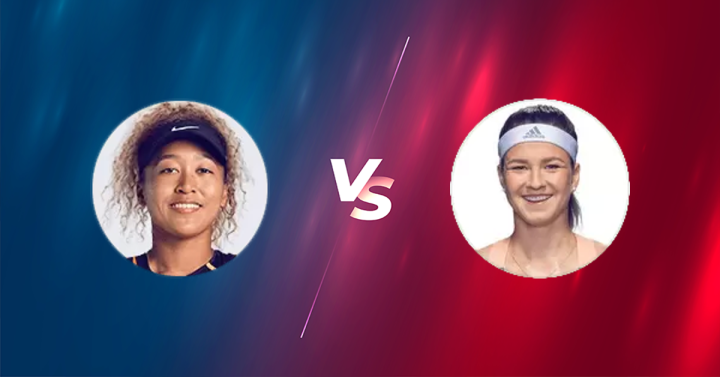
Naomi Osaka vs Karolina Muchova Prediction
Get ready for one of the most intriguing matchups of the WTA Wimbledon quarterfinals, as Naomi Osaka faces Karolina Muchova at the All England Lawn Tennis and Croquet Club in London, Great Britain. The match is scheduled for 2026-07-07 at 11:00:00 UTC, and it brings together two players with very different tennis identities, both capable of producing elite-level moments on the grass.
This is not just another Grand Slam match. It is a fascinating battle between power and variety, between first-strike tennis and all-court intelligence, between Osaka’s explosive baseline game and Muchova’s creative, fluid shot-making. For betting enthusiasts, this is exactly the type of match that deserves a closer look, because the odds are competitive and the styles create several possible betting angles.
Naomi Osaka enters this Wimbledon clash priced at 1.76 to win, while Karolina Muchova is available at 2.08. According to our AI model at TennisPredictions.ai, the best bet is Naomi Osaka to win, with a confidence rating of 4.8 out of 10. The suggested tip comes at odds of 1.76. For the total games market, the AI leans toward under 29.5 games, with odds of 1.31.
If you are looking for data-led tennis predictions, this match is a strong example of why context matters. The numbers point slightly toward Osaka, but Muchova has the tools to make this a complicated contest.
Match Overview
On Tuesday, July 7, 2026, Wimbledon will host a blockbuster quarterfinal between 14th seed Naomi Osaka and 10th seed Karolina Muchova. A place in the semifinal is on the line, and both players will know that the opportunity is huge.
Wimbledon quarterfinals are never routine. The pressure rises, the margins become thinner, and the ability to handle important points often matters as much as overall form. Osaka and Muchova both have experience on the biggest stages, but they approach the game in very different ways.
Osaka is known for her powerful serve, heavy forehand, and ability to control rallies when she gets time to set her feet. When she is confident, she can dominate opponents with direct, aggressive tennis. On grass, that can be a major weapon because the lower bounce and faster court speed reward players who take time away.
Muchova, on the other hand, is one of the more versatile players on the WTA Tour. She can slice, volley, change pace, move forward, and disrupt rhythm. Her game is built around imagination and tactical variety. Against a ball-striker like Osaka, that variety can be especially important because it prevents the match from becoming a pure baseline hitting contest.
That contrast is what makes this quarterfinal so appealing. Osaka will likely want short points, big first serves, and immediate control. Muchova will likely aim to stretch rallies, mix trajectories, and test Osaka’s movement and patience.
Betting Odds and Market View
The current moneyline odds are:
Naomi Osaka to win: 1.76
Karolina Muchova to win: 2.08
These odds suggest that Osaka is the slight favorite, but not by a huge margin. The market respects her power, reputation, and ability to win high-stakes matches, but it also clearly acknowledges Muchova’s danger.
At odds of 1.76, Osaka does not come across as an overwhelming favorite. Instead, she is priced as the player with the stronger winning chance, while Muchova remains a very live underdog. For bettors, that means the match is not necessarily about finding a guaranteed outcome, but about identifying where the price offers the better value.
The AI prediction supports Osaka as the best bet, but with a confidence level of 4.8 out of 10, this is not a maximum-confidence position. That is important. A low-to-moderate confidence rating suggests that while Osaka is the preferred side, the matchup still carries meaningful risk.
In simple terms, Osaka is the pick, but this is not a match to approach recklessly. Muchova’s tactical variety makes her dangerous, especially on grass.
Best Betting Tip
Best tip: Naomi Osaka to win at 1.76
The main betting recommendation is Osaka on the moneyline. Her serve and first-strike tennis are strong reasons to support her, particularly at Wimbledon, where aggressive players can be rewarded if they execute well.
Osaka’s biggest advantage is likely her ability to win quick points behind the serve. If she lands a high percentage of first serves, she can keep Muchova from getting into too many creative return games. That matters because Muchova becomes more dangerous when she has time to construct points and use variety.
Another factor is Osaka’s ability to raise her level in major tournaments. She has built her reputation around Grand Slam performances, and while Wimbledon has historically been a unique challenge compared with hard courts, her game still has plenty of grass-court weapons. Her serve, flat hitting, and willingness to attack early are all useful tools on this surface.
However, bettors should be realistic. Muchova is not an easy opponent. She is seeded higher in this projected quarterfinal, and her game can expose players who become too predictable. The reason Osaka is still the preferred pick is that her weapons may be more decisive if she starts well and keeps the scoreboard pressure on.
Total Games Prediction
The AI prediction for the total games market is under 29.5 games at odds of 1.31.
Under 29.5 is a relatively high line for a best-of-three WTA match. This bet can still land even if the match goes three sets, depending on the scoreline. For example, a match with a 6-4, 3-6, 6-3 scoreline totals 28 games. That gives the under some flexibility.
The logic behind under 29.5 may be tied to the idea that one player can create separation in key service games. Osaka’s power can lead to quick holds and sudden breaks, while Muchova’s variety can also produce momentum swings. If either player takes control of a set early, the total can stay below the number.
That said, this is still a quarterfinal between two high-quality players, so tiebreak possibilities cannot be ignored. Grass-court tennis often produces tight sets, especially when strong servers are involved. If both players protect serve efficiently, the over becomes more realistic. But with the line set at 29.5, the under remains a reasonable low-risk angle compared with lower totals.
Naomi Osaka: Power, Serve, and Big-Match Temperament
Naomi Osaka is one of the most recognizable names in women’s tennis. Her career has been defined by elite power, major titles, and a calm but intense presence in the biggest matches. She is at her best when she takes control early in rallies and uses her forehand to dictate play.
What makes Osaka dangerous on grass is the way her serve can immediately put opponents under pressure. A strong first serve can earn free points or create short returns, allowing her to step inside the baseline and finish quickly. When she finds rhythm, she can make the court feel very small for her opponent.
Her return game can also be aggressive. Osaka is not usually looking to simply put the ball back in play. She often tries to attack second serves and take control right away. Against Muchova, that approach could be important, because allowing Muchova too much time and comfort can invite variety, drop shots, slices, and net approaches.
The key for Osaka will be balance. If she is aggressive but controlled, she has a strong chance to win. If she becomes impatient and starts overhitting, Muchova has the skill to frustrate her. This match may come down to Osaka’s decision-making in medium-length rallies.
Karolina Muchova: Variety and Tactical Intelligence
Karolina Muchova is one of the most elegant and tactically interesting players on the WTA Tour. She is not just a hitter; she is a problem-solver. Her game includes slice backhands, clever angles, soft hands at the net, and the ability to change rhythm at exactly the right time.
That makes her a difficult opponent for a power player. Instead of giving Osaka the same ball repeatedly, Muchova can vary height, speed, and spin. She can pull Osaka forward, push her wide, and force her to hit from uncomfortable positions.
Muchova’s grass-court potential is easy to understand. Grass rewards players who can move forward, use slice effectively, and keep the ball low. Muchova does all of those things well. Her ability to transition from defense to attack can be especially valuable on this surface.
For Muchova to win, she probably needs to make the match physically and mentally uncomfortable for Osaka. She cannot allow Osaka to settle into a clean hitting rhythm. Expect Muchova to mix in slices, approach shots, and changes of pace to disrupt Osaka’s timing.
Her challenge will be handling Osaka’s pace. If Osaka is serving well and striking the ball cleanly, Muchova may have limited time to apply her tactical patterns. The first few games could reveal a lot about whether Muchova can absorb Osaka’s power.
Key Match Factors
1. First-Serve Percentage
Osaka’s first serve is one of the most important weapons in this matchup. If she lands it consistently, she can shorten points and reduce Muchova’s chances to create variety. A low first-serve percentage would give Muchova more looks at second serves, where she can step in or use placement to take control.
2. Muchova’s Variety
Muchova needs to avoid predictable baseline exchanges. If the match becomes a power contest, Osaka likely has the edge. Muchova’s best path is to disrupt rhythm and force Osaka to generate pace from awkward positions.
3. Grass-Court Movement
Movement on grass is always crucial. Players must stay low, adjust quickly, and handle uneven bounces. Muchova’s fluid movement and court craft are advantages, but Osaka’s ability to hit through the court can reduce the importance of longer movement patterns.
4. Pressure Points
Quarterfinal matches are often decided by a handful of points. Break points, tiebreak points, and early-set momentum swings will matter. Osaka’s history of performing under major pressure is a reason the AI model leans her way.
Possible Match Script
A likely match script begins with Osaka trying to establish control through her serve and forehand. She will want to hit hard through the middle and then open the court with aggressive angles. If she can earn early breaks, the match may move quickly.
Muchova will likely respond by using slice to keep the ball low and by changing pace to prevent Osaka from hitting in rhythm. She may also look to come forward when possible, especially if she can draw short balls.
The first set could be extremely important. If Osaka wins it, she may relax and swing more freely, which would make her even more dangerous. If Muchova wins the opening set, she could force Osaka into a more tactical and emotionally challenging match.
Because the AI also likes under 29.5 games, the projected match may not be a marathon. A two-set Osaka win or a three-set match with one lopsided set both fit the under-games angle.
Final Verdict
This Wimbledon quarterfinal between Naomi Osaka and Karolina Muchova has all the ingredients of a high-quality women’s tennis match. Osaka brings power, serving strength, and Grand Slam experience. Muchova brings variety, intelligence, and a style that can unsettle even the best ball-strikers.
From a betting perspective, Osaka is the preferred pick at 1.76, but the confidence level of 4.8 out of 10 suggests caution. This is a competitive matchup, not a one-sided prediction. Muchova has enough tools to win if she can break Osaka’s rhythm and extend rallies on her terms.
Still, Osaka’s serve and aggressive baseline game give her the slightly stronger betting profile. If she starts fast and controls her unforced errors, she can take charge of the match and move into the Wimbledon semifinals.
Best tip: Naomi Osaka to win at 1.76
For the total games market, under 29.5 at 1.31 is also worth consideration, especially for bettors looking for a more conservative angle. As always, bet responsibly and remember that tennis can change quickly with momentum, pressure, and a few key points.