
Volynets vs Sönmez AI Betting Tips
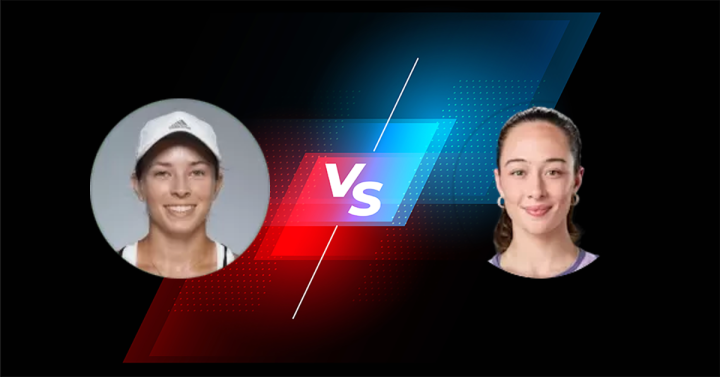
Match Overview
Katie Volynets (USA) will face Zeynep Sönmez (TUR) in the Round of 32 at the 2026 Libéma Open in ’s-Hertogenbosch, Netherlands. This first-round encounter at the WTA 250 grass-court event presents a fascinating clash of styles: a baseline-first American counterpuncher who thrives on rhythm versus a Turkish shot-maker who can shorten points and change patterns quickly—two traits that often decide matches on grass.
Kick-off (first ball) is set for 2026-06-09 at 09:00:00 UTC, and the market has installed Volynets as the favorite at 1.5, with Sönmez priced at 2.55. That gap tells you how bookmakers see the matchup: Volynets as the steadier, more bankable option; Sönmez as the higher-variance underdog with a realistic upset path if she lands her first-strike tennis and keeps service games tidy.
One more layer: TennisPredictions.ai’s model leans toward the underdog, but with very low conviction—its top call is “2” (Sönmez to win) with a confidence score of 1.8/10 at odds of 2.55. In other words, the AI is pointing to value potential rather than certainty. For bettors, that’s a signal to think in terms of price, matchup dynamics, and volatility—not just “who is better.”
Surface and Conditions: Why Grass Changes Everything
Grass in ’s-Hertogenbosch is traditionally quick enough to reward proactive tennis, but it’s also early-season grass, which can mean awkward bounces and a premium on first-step reactions. The tactical checklist on this surface is simple:
1) Hold serve efficiently (free points matter more).
2) Win the first two shots (serve +1 and return +1 patterns).
3) Keep the ball low (slice, skids, and flat drives are amplified).
4) Avoid long neutral rallies (they’re harder to control on grass).
That framework is important here because Volynets often builds points with depth and consistency, while Sönmez has more incentive to take time away and finish earlier. On clay, you might back the grinder. On grass, the player who can “steal” points with initiative often gains hidden equity—especially in tight sets.
Katie Volynets: What She Does Well (and What Grass Tests)
Volynets is typically at her best when she can establish a predictable rally tempo: heavy cross-court exchanges, clean directional control, and a willingness to extend points until the opponent blinks. From a betting perspective, that profile usually brings two positives:
Low error tolerance (she doesn’t donate as much as some aggressive players).
Comeback potential (she can grind her way back into sets with return pressure).
But grass can stress a rhythm-based game in a few specific ways:
Return positioning becomes tricky: standing too far back gives up short balls; standing too close exposes you to body serves and quick pace.
Defensive movement is punished: sliding and late retrieval don’t work the same way.
Second serves can be attacked: if the kick doesn’t jump, opponents can step in and take time away.
So the question isn’t whether Volynets is “good”—it’s whether she can translate her baseline stability into grass-court efficiency. If she’s forced to hit half-volleys, defend low skidding slices, or repeatedly pass after being pulled forward, her usual advantage can shrink.
Zeynep Sönmez: The Underdog Path to an Upset
Sönmez’s appeal in this matchup is tactical: she has more natural reasons to play “grass tennis.” That doesn’t automatically mean she’s better on grass, but it does mean her game can produce the kind of short, high-leverage points that flip a match against a favorite.
Here’s what tends to matter for a player like Sönmez on this surface:
First-serve percentage: not just aces—getting the point started on her terms.
Return aggression on second serves: stepping in and taking the ball early to rush the opponent.
Using variety: slices, changes of height, and occasional net approaches to keep the ball out of a comfortable strike zone.
If Sönmez can keep her unforced errors in check, she can make this match feel “fast” for Volynets—fast between points, fast in rallies, and fast on the scoreboard. That’s exactly how underdogs win on grass: by preventing the favorite from settling into long patterns.
Head-to-Head and Matchup Keys
Even without leaning on head-to-head narratives, the matchup keys are clear and very bet-relevant:
Key 1: Volynets’ return depth vs Sönmez’s first strike
If Volynets blocks returns short, Sönmez can immediately take control with a forehand drive or a low slice approach. If Volynets returns deep through the middle, she can neutralize and force Sönmez to hit extra balls—where volatility rises.
Key 2: Second-serve protection
Grass punishes weak second serves. If either player’s second serve sits up, expect momentum swings and clusters of break points. That’s also why totals markets (like under/over games) can be sensitive: a few breaks can compress the total quickly.
Key 3: Tiebreak likelihood
If both players serve well, a tiebreak becomes likely. If one player’s second serve is targeted, the match can become “breaky,” which often favors the under on total games.
Odds, Value, and What the AI Is Really Saying
Let’s translate the market and the AI into bettor language.
Volynets at 1.5 implies she wins around two-thirds of the time (roughly). Sönmez at 2.55 implies a noticeably smaller win probability, but still meaningful. TennisPredictions.ai picking Sönmez with only 1.8/10 confidence suggests the model sees a thin edge—more “price is a bit big” than “this is a strong read.” If you like Sönmez, you’re betting on:
Grass volatility + first-strike upside + Volynets needing time to adjust.
If you like Volynets, you’re betting on:
baseline stability + better problem-solving over time + underdog errors under pressure.
For more model-driven angles and market comparisons, you can also check Tennis Tips—but treat any single model output as one input, not the whole decision.
Best Bets: Picks and Tactical Reasoning
The posted total recommendation is Under 26.5 games at 1.29. That’s a low price, but it matches a plausible grass script: either a straight-sets win, or a three-set match with at least one lopsided set due to service pressure and momentum breaks.
Best tip: Under 26.5 games (1.29)
Why it fits tactically:
Grass sets can run “short” when one player’s second serve gets exposed.
Early-round adaptation often creates uneven patches—especially for players still calibrating movement and timing.
Even in three sets, a 6-2 or 6-3 set can keep the total under control.
Secondary lean (higher risk, better payout):
Sönmez to win at 2.55 has upset logic, but the AI confidence is very low, so it’s more suitable for small stakes or for bettors who specifically believe Sönmez can dictate with serve +1 and early ball-striking. If you take it, you’re accepting variance: she may look brilliant for stretches and then leak errors if Volynets extends rallies.
Projected Match Script
Expect Volynets to start by probing: deep returns, cross-court patterns, and a focus on making Sönmez hit extra balls from uncomfortable low contact points. Sönmez’s best counter is to avoid “neutral”: step in on second serves, flatten out forehands, and use slice to keep the ball skidding so Volynets can’t set her feet.
If Sönmez holds serve cleanly early, the upset becomes live quickly because pressure shifts to Volynets’ service games. If Volynets earns early breaks, the match can tilt toward a controlled, lower-total outcome—exactly the kind of scenario that supports the under 26.5.
Final Betting Summary
Best tip: Under 26.5 games (1.29)
Lean: Sönmez moneyline (2.55) for bettors chasing underdog value, but keep stakes disciplined given the low AI confidence (1.8/10) and the natural volatility of grass-court tennis.
As always in WTA grass events, think “patterns and pressure,” not just rankings: whoever wins the first two shots more often—serve +1 and return +1—will likely control the match.