
French Open AI Tips: Kostyuk vs Volynets
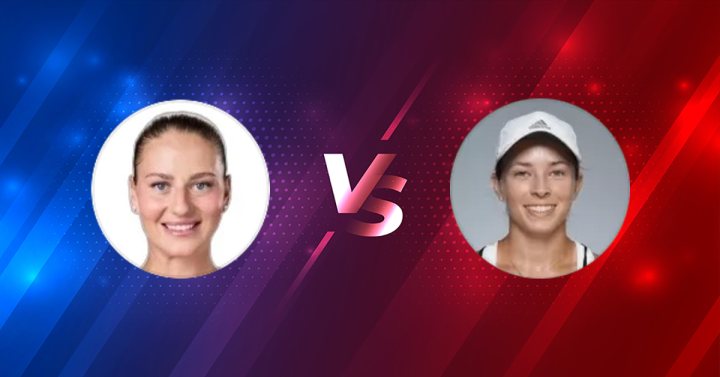
Match overview: Round-of-64 clash in Paris
The WTA French Open in Paris sets the stage for an intriguing second-round (Round of 64) meeting between 15th-seeded Marta Kostyuk and American challenger Katie Volynets. The match is scheduled for 2026-05-27 at 10:00:00 UTC, and the market has made its stance clear early: Kostyuk is priced as a strong favorite at 1.15, while Volynets sits at 6.2 to pull off the upset.
From a betting perspective, this is the classic “seeded clay-courter vs gritty underdog” setup that often produces either a controlled favorite win—or a tense start before the favorite’s weight of shot and court positioning take over. With Roland Garros conditions rewarding patience, depth, and point construction, the matchup leans toward the player more comfortable dictating with heavy, repeatable patterns from the baseline.
Player snapshot: Marta Kostyuk
Kostyuk arrives in Paris with the profile bettors typically like on clay: she’s a baseline aggressor who can still build points rather than rush them. Her game is built around taking the ball early, redirecting pace, and using clean timing to open angles—traits that translate well on slower surfaces when executed with discipline. As a seeded player, she’s also expected to handle the “business end” of early rounds: managing scoreline pressure, avoiding extended dips, and closing sets when ahead.
In practical betting terms, Kostyuk’s edge is that she can win in multiple ways. If Volynets plays too safely, Kostyuk can step in and take time away. If rallies extend, Kostyuk has the athleticism and baseline tolerance to stay in points and still look for the first strike. That versatility is a big reason why her moneyline is short.
Player snapshot: Katie Volynets
Volynets is the type of opponent who can make a favorite work. She’s known for competing hard, absorbing pace, and trying to turn matches into physical, tactical exchanges. On clay, that mindset can be valuable because it forces the favorite to hit extra balls and stay mentally sharp through longer games.
The challenge for Volynets in this matchup is that “making it physical” is only step one. To actually flip the result, she likely needs one or more of the following to happen: a high first-serve day, unusually low error output, and consistent ability to turn defense into offense. Against a seeded player who can take the initiative, simply extending rallies may not be enough—especially if Kostyuk is landing depth and controlling the center of the court.
What the odds say (and why it matters)
The pricing tells a clear story:
– Marta Kostyuk to win: 1.15
– Katie Volynets to win: 6.2
Those odds imply the market expects Kostyuk to win comfortably more often than not. For bettors, that usually shifts the conversation away from “who wins?” and toward “how do we extract value?”—via totals, handicaps, or set betting.
That’s where AI-driven projections can be useful, especially when they align with market expectations but also offer a specific angle on match flow (for example, a shorter match than the public expects).
AI prediction and betting angle
TennisPredictions.ai flags the outcome as a home-run favorite spot: prediction 1 (first player wins), confidence 9.0/10, at odds 1.15. It also leans toward a shorter match on the games market: total games Under 25.5 at odds 1.28.
If you’re building a card and want a quick reference point for similar matchups, you can compare additional model outputs and market angles via tomorrow AI tennis predictions.
Best bets: clear, value-focused tips
1) Match winner (moneyline)
The simplest play matches both the market and the AI model: Kostyuk’s ability to control baseline exchanges and finish sets makes her the most likely winner.
Best tip: Marta Kostyuk to win (1.15)
This is not a “big price” bet, but it’s a classic low-variance anchor for parlays or conservative staking plans—especially when the matchup suggests the favorite can dictate.
2) Total games: Under 25.5 (1.28)
The Under 25.5 angle is essentially a bet on match script: Kostyuk wins in straight sets, or at least avoids a long three-set grind. On clay, totals can inflate when underdogs steal a set or when favorites start slowly and spend time trading breaks. But the AI’s Under call suggests a cleaner favorite performance—something like 6-3, 6-4 (19 games) or 6-4, 6-4 (20 games) comfortably lands below 25.5.
Key logic for the under:
– If Kostyuk wins 2–0 with moderate scorelines, the under is in great shape.
– Even a single tiebreak set can still be fine if the other set is routine.
– The under is most threatened by a three-set match or two very tight sets.
How Volynets can beat the number (and why it’s hard)
For Volynets backers, the path is narrow but not impossible: she needs to disrupt Kostyuk’s timing, extend service games, and convert break chances efficiently. If Volynets can drag Kostyuk into longer deuce games early, totals bettors should watch momentum carefully—because clay matches can swing when the favorite gets pulled into a physical contest.
Still, with the favorite priced at 1.15 and the AI confidence high, the most evidence-based approach is to treat this as a likely Kostyuk-controlled match, with the Under 25.5 fitting that expectation.
Final takeaway for tennis bettors
This French Open second-round matchup profiles as a seeded player with more weapons and court control facing a determined opponent who must overperform to flip the result. With the odds, AI projection, and matchup dynamics pointing the same direction, the cleanest betting approach is backing Kostyuk—then considering the Under for bettors who agree the match is unlikely to turn into a marathon.