
French Open Final AI Tips & Predictions
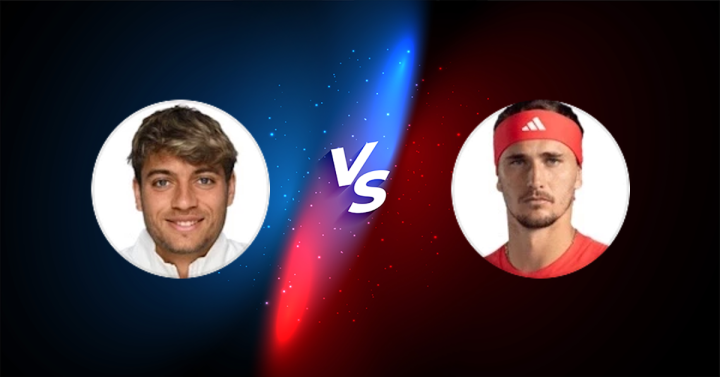
Match overview: Cobolli vs Zverev in Paris
The 2026 French Open reaches its showpiece moment with a men’s singles final on the sport’s most iconic clay stage, Court Philippe-Chatrier. On 2026-06-07 at 14:00:00 UTC, Italy’s Flavio Cobolli meets Germany’s Alexander Zverev in a matchup that blends a fresh challenger’s momentum with the proven weight of a perennial contender.
From a betting perspective, the market frames this as a classic “favorite vs underdog” final. Cobolli is priced at 4.2 to win, while Zverev is the clear favorite at 1.26. Our model at AI Tennis Predictions and Analyses aligns with that view, flagging the best bet as the second player to win, with a confidence rating of 7.8/10. The recommended total-games angle is Under 45.5 games at 1.28—suggesting a final that’s competitive in patches but likely to resolve without a marathon scoreline.
Betting odds and AI picks
Let’s put the key numbers in one place for easy decision-making:
Match winner odds
– Flavio Cobolli to win: 4.2
– Alexander Zverev to win: 1.26
Best bet (AI pick)
– Tip: 2 (Alexander Zverev to win) @ 1.26
– Confidence: 7.8/10
Total games
– Prediction: Under 45.5 games (U45.5) @ 1.28
In sports betting terms, this is a “short-priced favorite” spot. That doesn’t automatically mean “easy,” especially in a Grand Slam final, but it does mean the market expects Zverev’s baseline structure, serve efficiency, and experience in long clay-court exchanges to win out more often than not.
Why Zverev is favored on clay
Zverev’s profile has long screamed “clay-court contender”: heavy topspin off both wings, elite movement for his height, and a backhand that can absorb pace and redirect down the line without breaking down. On slower surfaces, those traits become even more valuable because points extend, and the match often turns into a test of repeatable patterns rather than quick-strike tennis.
The other major factor is his serve. Clay reduces the number of outright aces compared to faster courts, but a big first serve still buys crucial cheap points and, just as importantly, protects you during momentum swings. In finals, those “free points” can be the difference between holding comfortably and getting dragged into a 10-minute game that flips the set.
Tactically, Zverev’s most reliable clay blueprint is simple and effective: establish depth through the middle, pin opponents behind the baseline, then open the court with controlled angles—often using the backhand to change direction. Against a player like Cobolli, who thrives when he can step in and play proactively, Zverev’s ability to keep the ball heavy and deep can be a constant tax.
Cobolli’s rise: the underdog with real belief
Cobolli arriving in a Roland Garros final is the kind of storyline Paris loves: a player who has steadily built his game, learned the clay-court craft, and now finds himself one match away from immortality. He’s not here by accident. To reach this stage, you typically need a blend of physical durability, tactical discipline, and the nerve to win tight sets—especially in the earlier rounds when conditions can be tricky and opponents are desperate.
What makes Cobolli interesting in this matchup is that he can create pace without needing reckless risk. On clay, that’s a valuable skill: you want to hurt opponents, but you also need margin over the net and patience to construct points. Cobolli’s best chance is to turn this final into a contest of initiative—taking time away from Zverev, changing height and spin, and making the favorite hit uncomfortable shots on the move.
Another underdog edge is emotional freedom. Zverev carries the weight of expectation as the favorite; Cobolli can swing more freely, especially early. If Cobolli starts fast and lands first serves, the match can feel tighter than the odds suggest—at least for a set.
Key matchup factors that decide the final
1) Rally tolerance and shot depth
Clay finals often become a depth contest. If Zverev consistently pushes Cobolli back, Cobolli’s attacking windows shrink. If Cobolli can hold the baseline and take balls early, he can disrupt Zverev’s rhythm.
2) Second-serve pressure
This is a major swing factor. Zverev’s first serve is a weapon, but clay-court finals are frequently decided by what happens behind the second serve—how often you get attacked, and whether you can start neutral rallies. Cobolli will want to step in on second serves and make returns deep to Zverev’s backhand corner to prevent immediate offense.
3) Backhand exchanges
Zverev’s backhand is one of the most stable shots in men’s tennis, especially crosscourt. If rallies settle into backhand-to-backhand patterns, that typically favors Zverev’s consistency and ability to change direction safely.
4) Nerves in the first set
Grand Slam finals can begin with tight service games and conservative patterns. If Cobolli can steal the first set, the entire betting landscape changes. If Zverev wins it, the Under 45.5 angle becomes more attractive because the match can tilt toward a controlled three- or four-set outcome.
Total games: why Under 45.5 makes sense
Under 45.5 games at 1.28 implies the market expects something like:
– a straight-sets win with at least one competitive set, or
– a four-set match without multiple extended tie-break style sets (and remember, at Roland Garros the final set is played out, which can inflate totals if it goes long).
So why lean Under? Because the favorite’s price (1.26) suggests Zverev is expected to win in a relatively orderly way. If Zverev takes care of serve and applies steady return pressure, Cobolli may find himself playing a lot of “hold for dear life” games. That dynamic often produces scorelines like 6-4, 6-3, 6-4 or a four-set version with one tighter set—still frequently landing below 46 total games.
The main risk to the Under is a five-set final or multiple tie-break-like sets (even without tie-breaks). If Cobolli’s level spikes and he consistently holds serve, totals can climb quickly.
Best bet recommendation (simple and actionable)
If you want the straightforward betting angle that matches both the odds and the AI model:
Best Tip: 2 (Alexander Zverev to win) @ 1.26
This is the classic “back the favorite” play, supported by the 7.8/10 confidence rating. For bettors who prefer a totals market, Under 45.5 games @ 1.28 is a logical companion bet, especially if you see Zverev controlling the match with serve-plus-one patterns and deep rally tolerance.
Final thoughts: narrative meets numbers
Cobolli has the kind of underdog momentum that can make a French Open final feel unpredictable—one hot stretch, one fearless return game, and the crowd starts believing. But Zverev’s clay-court toolkit is built for this exact stage: repeatable patterns, elite backhand stability, and the ability to win ugly when the moment gets tense.
That’s why the betting market, and our AI projection, both land in the same place: Zverev is the likelier champion, and the match is more likely to finish under the 45.5-game line than drift into a five-set epic.