
Jakub Menšik vs Andrey Rublev: Forecasts
Match overview: a classic “new wave vs proven power” storyline
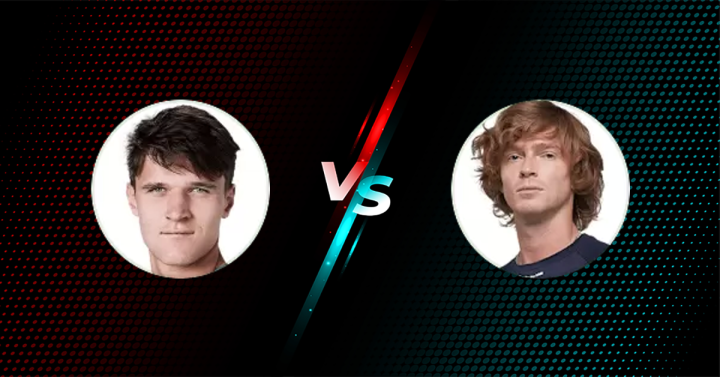
Roland Garros always has a way of turning a tennis match into a psychological exam, and this fourth-round meeting in Paris fits the script perfectly. On 2026-05-31 at 10:00:00 UTC, Jakub Menšik meets Andrey Rublev in the Round of 16 of the ATP French Open. The market basically calls it a coin flip: Menšik to win at 2.01, Rublev at 1.97. That tight pricing matters for bettors because it signals uncertainty—exactly the kind of spot where emotions can hijack decision-making if you don’t stay disciplined.
The matchup is compelling for one big reason: Menšik is the young, fast-rising talent experiencing the second week of a Grand Slam for the first time, while Rublev is the established force who has spent years trying to translate elite tour-level consistency into a truly deep major run. That contrast creates a unique betting dynamic: upside and fearlessness on one side, experience and expectation pressure on the other.
Odds, AI picks, and what they really mean
Let’s put the key numbers in one place:
– Match odds: Menšik 2.01 | Rublev 1.97
– TennisPredictions.ai best bet: 1 (Menšik to win)
– Confidence level: 2.3/10 (low)
– Tip odds: 2.01
– Total games lean: Over 31.5 at 1.27
The most important part here is not just the pick—it’s the confidence. A 2.3/10 confidence rating is a reminder to treat this as a high-variance match. In betting terms, that’s a “small stake, high uncertainty” profile. If you’re the type who feels the urge to “go bigger” because the odds are attractive, this is where you pause. Low confidence doesn’t mean the pick is wrong; it means the model sees multiple plausible match scripts.
If you want more data-driven match reads like this in one place, you can check Best Tennis Predictions—but remember: even the best models can’t remove variance on clay.
Menšik’s momentum: resilience that changes how opponents feel
Menšik’s path to this match has been a mental toughness showcase. In the third round, he lost the opening set 0–6 to Alex de Minaur, an eighth seed known for speed, pressure, and making opponents play “one more ball.” Many players mentally fold after a bagel set at a Slam. Menšik didn’t. He flipped the match with a powerful response, winning 0–6, 6–2, 6–2, 6–3.
From a betting psychology perspective, comebacks like that matter because they change belief. Menšik now has fresh evidence that he can survive a nightmare start on a big stage and still take control. That’s not just confidence—it’s permission to stay aggressive when things go wrong. He also came through a demanding second-round battle against Mariano Navone, another test of patience and stamina on clay.
Unique angle for bettors: young players can be volatile, but when a 20-year-old proves he can reset after a disastrous set, it reduces one of the biggest risks you normally price into backing a prospect—panic. Menšik’s “reset button” looks real right now.
Rublev’s form: consistency, tiebreak nerve, and the weight of expectation
Rublev arrives with strong clay momentum, winning 10 of his last 13 matches on the surface. That’s the profile of a player who is doing the basics right: holding serve reliably, finding forehands under pressure, and staying physically durable through longer rallies.
His third-round win over Nuno Borges—7–5, 7–6, 7–6—also tells a specific story. Three tight sets, three moments where one or two points decide everything, and Rublev held his nerve. For bettors, that’s valuable because it suggests he’s executing patterns under scoreboard stress rather than spiraling into frustration.
But there’s another layer: Rublev is also the kind of top player who often carries visible emotional intensity. In Grand Slams, that intensity can be fuel—or it can become pressure when the match stops going “according to plan.” In a Round of 16 at Roland Garros, the expectation is on him. Menšik gets the freedom of the underdog narrative; Rublev gets the burden of “you’re supposed to win this.”
Key matchup dynamics on clay: where the match can swing
This match feels like it will be decided by two things: who controls the emotional tempo, and who wins the “first strike” exchanges.
Rublev typically wants to dictate with heavy, direct baseline aggression—especially using his forehand to open the court and finish quickly. Menšik, as a modern young talent, has the athleticism and composure to absorb pace and then counterpunch into space. On clay, that countering ability can frustrate an attacker, because the court gives you time—but also demands patience.
If Menšik can extend rallies early and make Rublev hit extra balls, the psychological pressure shifts. Rublev may feel he has to do more, sooner. Conversely, if Rublev lands his patterns early—serve plus forehand, quick direction changes, and clean winners—Menšik’s inexperience in a second-week Slam could get tested.
Best bet and totals: keeping your staking realistic
Given the near-even odds, the AI’s best bet is clear but cautious: Menšik to win (1) at 2.01. The value case is simple: you’re getting plus-money on a player showing elite resilience and upward momentum, against an opponent who can be vulnerable if the match becomes a mental grind.
The totals angle—Over 31.5 games at 1.27—leans toward a longer match script. That makes sense with these prices: a tight contest, potential four sets, maybe tiebreaks. Still, the odds are short, so it’s more of a “parlay piece” than a standalone value play.
A practical betting mindset tip: because the AI confidence is low, treat this like a measured opinion, not a certainty. If you bet emotionally—chasing losses, doubling because it “feels right,” or getting swayed by one highlight reel—you’re no longer betting the match; you’re betting your mood.
Final thoughts: the mental game is the real edge
Menšik vs Rublev is the kind of match where the scoreboard will reflect psychology as much as shot-making. Menšik has the underdog freedom and the proven ability to rebound from adversity. Rublev has the experience, the clay form, and the tiebreak composure—but also the pressure of being the established name expected to reach the later rounds.
If you’re betting this, keep it simple: respect the coin-flip odds, respect the low-confidence signal, and choose a stake size that won’t make you second-guess every point. The best bettors don’t just predict winners—they manage themselves.