
Mirra Andreeva vs Jil Teichmann: Forecasts
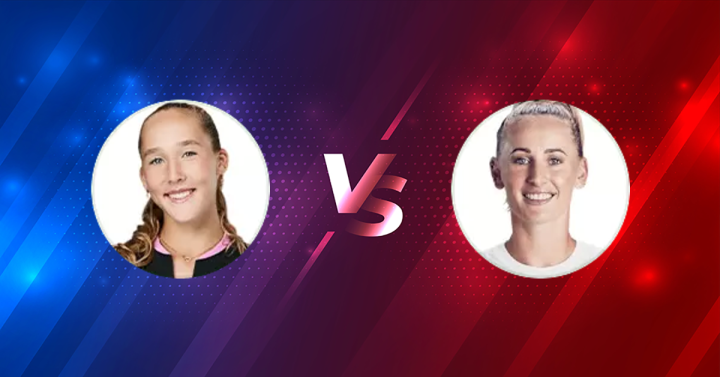
French Open Round of 16 Preview: Andreeva vs Teichmann
Sunday’s Roland-Garros schedule brings a fascinating stylistic matchup as No. 8 seed Mirra Andreeva meets Switzerland’s Jil Teichmann in the Round of 16. The clash is set for Paris, France, with first ball scheduled for 10:00 UTC on May 31, 2026. For bettors, this is a classic “rising star vs proven tour battler” contest—one where the market has drawn a very clear line.
The outright odds reflect that gap: Andreeva is priced at 1.10 to win, while Teichmann is the outsider at 8.60. That’s not just a small lean toward the favorite—it’s a strong expectation of an Andreeva-controlled match, likely in straight sets if she plays to her level.
Quick Odds Snapshot (Moneyline & Totals)
Match Winner (Moneyline)
– Mirra Andreeva to win: 1.10
– Jil Teichmann to win: 8.60
Total Games (Over/Under)
– AI lean: Under 24.5 games @ 1.29
For additional model-driven context, the pick aligns with the top call from Tennis Predictions, which lists the best prediction as “1” (first player to win), confidence 6.0/10, at odds 1.10.
Match Storyline: Why This Round of 16 Is Intriguing
Even with lopsided odds, this matchup has real intrigue because both players are comfortable on clay—just in different ways.
Andreeva’s game is built for modern baseline dominance: she takes the ball early, redirects pace with ease, and can turn defense into offense in a single exchange. On clay, that translates into heavy pressure on opponents’ movement and shot tolerance. When she’s timing the ball cleanly, she can make even experienced players feel rushed.
Teichmann, meanwhile, has long been known as a crafty left-hander who can make life uncomfortable on slower surfaces. Clay rewards her ability to vary height, spin, and angles—especially with lefty patterns that pull right-handers off the court. If she can extend rallies and force Andreeva into repeated “one-more-ball” situations, she has a path to making this closer than the odds suggest.
Player Breakdown: Mirra Andreeva
What makes Andreeva a strong favorite?
Andreeva enters this fourth-round match as the higher seed and the player with the more direct, repeatable weapons. Her baseline structure is simple for bettors to understand: she wins by controlling the middle of the court, taking time away, and building points with depth until a short ball appears.
Key traits that tend to show up in her best clay-court wins:
– Early ball-striking that robs opponents of recovery time
– Depth control that pins players behind the baseline
– Backhand stability in crosscourt exchanges, a huge asset on clay
– Competitive composure—she’s shown she can handle momentum swings without spiraling
From a betting perspective, the biggest reason the market loves Andreeva here is that her “A-game” is simply more imposing. If she starts well, she can run away with sets quickly—exactly the kind of match script that supports an under on total games.
Player Breakdown: Jil Teichmann
How can Teichmann threaten the favorite?
Teichmann’s profile is the opposite: she’s not typically a point-shortener, but she can be a problem-solver. As a lefty, she naturally creates awkward contact points and can open the court with angles that right-handers don’t see every week.
What Teichmann will try to do in Paris:
– Use lefty patterns to drag Andreeva wide, especially to the ad side
– Change the ball’s shape with spin and height to disrupt timing
– Extend rallies and test Andreeva’s patience and shot selection
– Target second serves and look for early breaks to flip scoreboard pressure
For underdog bettors, the appeal is clear: if Teichmann can turn this into a physical chess match rather than a clean baseline shootout, she can at least push sets deeper—maybe even steal one if Andreeva’s level dips.
Tactical Keys That Could Decide the Bet
1) First-strike tennis vs. lefty disruption
If Andreeva is stepping in and striking through the court, Teichmann’s variety won’t matter as much. But if Teichmann succeeds in changing rhythm—looping higher balls, mixing pace, and forcing Andreeva to generate her own power repeatedly—the match can tighten.
2) Return games and early breaks
With a heavy favorite, one early break can change everything. If Andreeva breaks early, Teichmann may feel she has to press on serve, which can lead to quick holds turning into long, stressful games. That’s often how “favorites cover unders”: they get in front and keep the opponent chasing.
3) Managing the scoreboard on clay
Clay sets can swing fast because breaks are common. If Andreeva wins the big points (30-30, deuce, break points), the scoreline can look harsh even if rallies are competitive. That dynamic supports both the moneyline favorite and the Under 24.5 angle.
Best Bets & Predictions
Main Pick (Moneyline)
The AI recommendation is straightforward: Andreeva to win. The odds are short, but the matchup and market expectation point the same way.
Best tip: Mirra Andreeva to win (1.10)
Total Games Lean
The model also points to a relatively efficient match in terms of total games:
– Under 24.5 games @ 1.29
This under makes the most sense if you believe Andreeva wins in straight sets or in a three-set match where one set is one-sided (for example, a 6-2 set). The risk, of course, is a pair of tight sets (like 7-5, 6-4) or a three-set grind—both of which can push the total over.
Final Word for Bettors
This Round of 16 contest has the feel of a “business-like favorite” match: Andreeva has the cleaner routes to points, the higher ceiling, and the kind of baseline control that tends to translate well in second-week Roland-Garros conditions. Teichmann’s left-handed variety is the main spoiler, and if she can disrupt timing and stretch rallies, she can make this entertaining—and potentially closer than the odds imply for stretches.
Still, with Andreeva priced at 1.10 and the AI backing the first-player win at a moderate 6.0/10 confidence, the most logical betting approach is to treat this as a favorite-led matchup where the key question is not “who wins,” but “how quickly it ends.”