
French Open AI Betting Tips
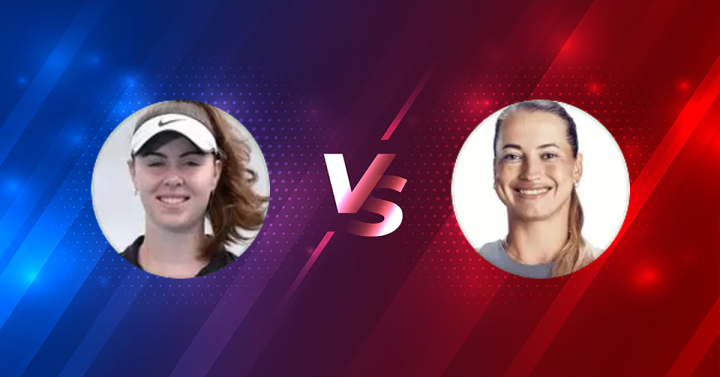
Match Overview: Gibson vs Putintseva
Roland Garros always brings drama, and this first-round match in Paris, France has a classic storyline: a hungry rising player against a proven competitor who knows how to win on clay. Australia’s Talia Gibson steps into one of the sport’s toughest stages to face Yulia Putintseva, the experienced Kazakhstani fighter who has built her reputation on grit, speed, and uncomfortable rallies.
The match is scheduled for 2026-05-25 at 10:00:00 UTC, and the betting market already has a clear favorite. Gibson is priced at 3.3 to win, while Putintseva is at 1.34. That gap tells you how bookmakers see it: Putintseva is expected to control the match more often than not, especially on a slow clay court where experience and defense matter a lot.
This preview is written for fans and bettors who want simple, clear tennis betting tips—without complicated words. We’ll look at playing styles, what clay courts change, and how the odds connect to the best bets.
Player Snapshot: Talia Gibson
Talia Gibson comes in as the underdog, but she is not here just to make up the numbers. She represents the “new wave” type of player: ambitious, athletic, and ready to test herself against a well-known opponent on a big stage.
For an underdog like Gibson, the key is usually first-strike tennis. That means trying to win points earlier—strong serving patterns, bold returns, and stepping into the court to avoid long grinding rallies. At Roland Garros, that is not easy, because clay slows the ball down and gives defenders extra time. Still, underdogs can be dangerous when they play free and take risks at the right moments.
In a first round, pressure can flip quickly. If Gibson starts well, she can make the match feel uncomfortable for the favorite. Bettors should watch early games closely: how she handles Putintseva’s deep returns, and whether she can hold serve without long deuce games.
Player Snapshot: Yulia Putintseva
Yulia Putintseva is the type of player many opponents hate to face in round one. She is experienced, competitive, and very good at turning matches into physical and mental tests. On clay, that style becomes even more effective.
Putintseva’s strengths are usually built around:
1) Consistency and defense
She can absorb pace, retrieve balls that look like winners, and force opponents to hit “one extra shot.” On clay, that extra shot is often where mistakes happen.
2) Smart point construction
Instead of trying to end points too fast, she often moves the ball around, changes direction, and waits for the right moment. This is a classic clay-court approach.
3) Competitive edge
Putintseva is known for intensity. In tight moments—break points, long games, end of sets—she tends to fight hard and make opponents earn everything.
This is why the market price is so short at 1.34. It’s not just about talent; it’s about how her style fits the surface and the match situation.
What Clay Courts Change in This Match
Roland Garros clay is slow, and the bounce is higher than on hard courts. That usually helps players who:
– defend well,
– slide comfortably,
– return a lot of balls,
– and stay patient in rallies.
That description fits Putintseva more naturally. For Gibson, the challenge is to avoid being pulled into long points where Putintseva can use her legs and consistency to draw errors.
A simple way to think about it: on clay, the favorite often has more time to “solve” the match. Even if Gibson has a hot start, Putintseva can adjust, extend rallies, and slowly take control.
Betting Odds and Market Meaning
Let’s translate the odds into simple betting language.
– Gibson to win @ 3.3: the market says she has a lower chance, but if she wins, the payout is bigger.
– Putintseva to win @ 1.34: the market says she is very likely to win, but the payout is smaller.
In sports betting terms, Putintseva is the short-priced favorite, and Gibson is the value underdog only if you believe she has a real path to win (like dominating with serve + forehand and keeping points short). On clay, that path is harder.
If you want more match models and simple picks, a good reference point is Tennis Forecasts, where AI-based tips are presented in a bettor-friendly way.
AI Best Bet (Main Tip)
Our AI at TennisPredictions.ai points strongly to the same direction as the odds market.
Best bet: 2 (Yulia Putintseva to win)
Confidence: 10.0/10
Tip odds: 1.34
A 10/10 confidence rating suggests the model sees a big matchup advantage. That can come from surface fit, experience, and the ability to handle pressure moments. In betting terms, this is a “favorite-backed” play: you accept a lower price because you want a higher probability outcome.
For beginners, this is the simplest bet on the board: “Who wins the match?” And here, both the AI and the bookmakers line up on Putintseva.
Total Games Tip: Over 18.5
Total games prediction: Over 18.5
Odds: 1.49
This is interesting because it suggests something specific about match shape. Over 18.5 games can land in many realistic scorelines, for example:
– 6-4, 6-4 (20 games)
– 7-5, 6-3 (21 games)
– 6-3, 6-7, 6-1 (29 games)
So even if Putintseva wins, the model expects Gibson to compete enough to push the total higher. That fits a common clay pattern: longer games, more breaks of serve, and sets that can stretch.
From a betting strategy view, pairing a strong favorite with an over can make sense when you expect the favorite to win but not necessarily in a quick 6-1, 6-2 type of match.
How This Match Could Play Out
If Putintseva starts returning well, she can immediately put pressure on Gibson’s service games. That often leads to long deuce battles, which can drain an underdog early. Gibson’s best chance is to be brave: take early ball positions, attack second serves, and avoid getting stuck behind the baseline.
But over time, clay rewards the player who can repeat good patterns again and again. That is where Putintseva usually shines.
Final Betting Summary
– Main pick (AI best bet): 2 (Yulia Putintseva to win) @ 1.34
– Secondary angle: Over 18.5 total games @ 1.49
– Market view: Putintseva is the clear favorite; Gibson needs a high-risk, high-reward performance to flip the script.
This is a classic French Open opener: a rising challenger with nothing to lose versus a battle-tested competitor who knows how to win ugly on clay. For bettors looking for a clear, data-aligned tennis prediction, the safest lane is backing the favorite—while keeping an eye on a match that could still produce a healthy number of games.